Water Bath Canning vs Pressure Canning Which Method is Right for You

Choosing the right canning method can feel overwhelming if you want to preserve your favorite foods safely and effectively. Water bath canning and pressure canning are the two most common techniques, but they serve different purposes and suit different types of food. Understanding their differences will help you decide which method fits your needs and kitchen setup.

What Is Water Bath Canning?
Water bath canning is a method where jars filled with food are submerged in boiling water for a specific time. This technique is ideal for high-acid foods such as fruits, jams, jellies, pickles, and tomatoes with added acid. The boiling water heats the jars to a temperature that destroys molds, yeasts, and some bacteria, creating a vacuum seal as the jars cool.
How Water Bath Canning Works
Fill jars with prepared food and leave headspace.
Place jars in a canner or large pot with a rack.
Cover jars with at least one inch of boiling water.
Boil for the recommended time based on the recipe and altitude.
Remove jars and let them cool undisturbed to seal.
This method is straightforward and requires minimal equipment, making it popular for beginners and those preserving acidic foods.
Tip: Water bath pots can be used as large soup pots or crab boils. Having a large water bath canning pot can be used for more than just canning.

What Is Pressure Canning?
Pressure canning uses a sealed pot that builds steam pressure to reach temperatures above boiling water, typically 240°F (116°C). This higher temperature is necessary to kill harmful bacteria, including Clostridium botulinum, which can survive boiling water temperatures. Pressure canning is essential for low-acid foods like vegetables, meats, poultry, seafood, and soups.
How Pressure Canning Works
Fill jars with food and leave proper headspace.
Place jars on the rack inside the pressure canner.
Lock the lid and heat the canner to build pressure.
Maintain the required pressure and processing time.
Allow pressure to drop naturally before opening the canner.
Remove jars and let them cool to seal.
Pressure canning requires specialized equipment and careful monitoring but ensures safety for low-acid foods.

Key Differences Between Water Bath and Pressure Canning
| Aspect | Water Bath Canning | Pressure Canning |
|------------------------------------|---------------------------------------------------|-------------------------------------------------|
| Suitable Foods | High-acid foods (fruits, jams, pickles) | Low-acid foods (vegetables, meats) |
| Temperature Reached | 212°F (100°C) boiling water | Up to 250°F (121°C) steam pressure |
| Equipment Needed | Large pot with rack | Pressure canner with gauge and lock|
| Processing Time | Usually shorter | Usually longer |
| Safety for Low-Acid Foods | Not safe | Safe |
When to Use Water Bath Canning
Water bath canning is perfect if you want to preserve:
Fruits like peaches, apples, and berries
Jams, jellies, and fruit butters
Pickled vegetables with vinegar
Tomato products with added acid (lemon juice or citric acid)
This method is easier and less expensive because it only requires a large pot and rack. It’s also a good choice if you plan to can small batches or seasonal fruits.
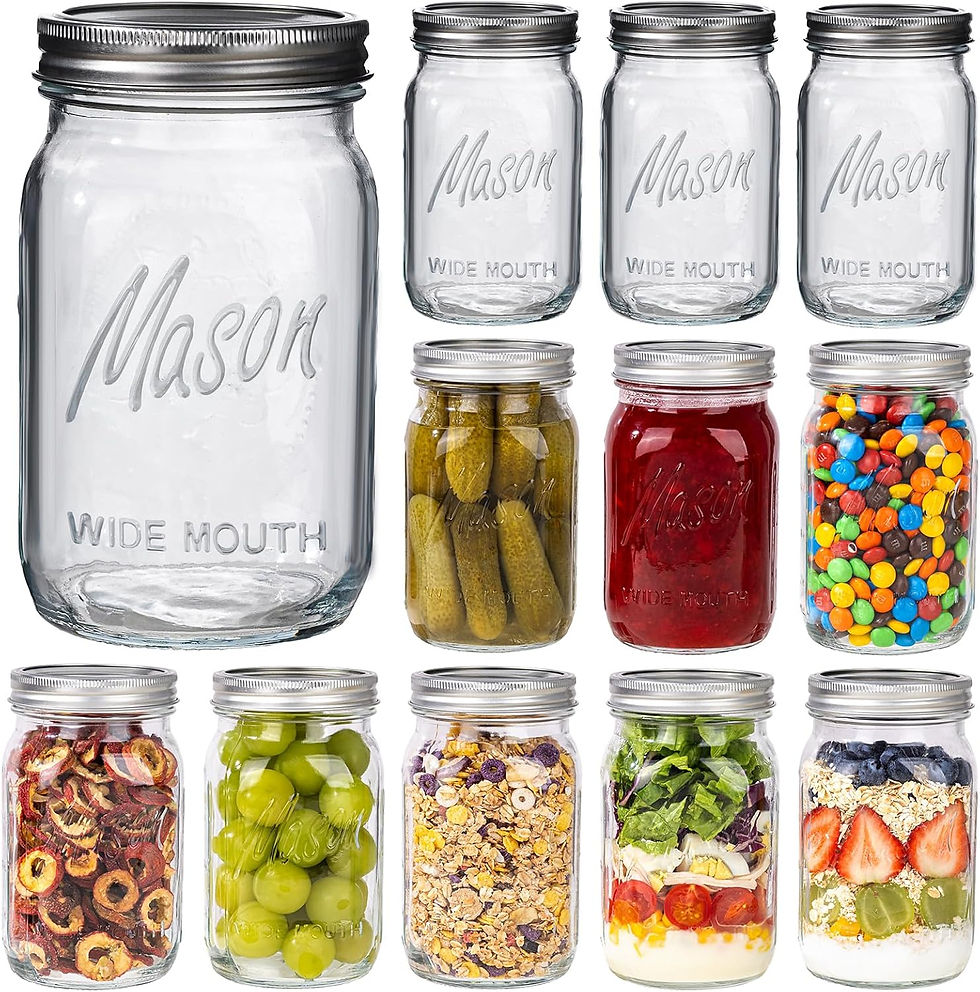
Tip: There are many sizes of jars to choose from. Having a variety on hand for canning will help when you get to the end of a batch of canning.
When to Use Pressure Canning
Pressure canning is necessary for:
Vegetables such as green beans, carrots, and corn
Meats, poultry, and seafood
Soups, stews, and chili
Low-acid foods that can support bacterial growth
Using a pressure canner ensures that dangerous bacteria are destroyed, making your preserved food safe to store at room temperature.
Tip: Keep a good book on hand for those last minute questions or to give you ideas of what to can or preserve.

Safety Considerations
Food safety is the most critical factor when choosing a canning method. Using the wrong method can lead to spoilage or serious illness.
Never use water bath canning for low-acid foods. Botulism bacteria can survive boiling water temperatures.
Follow tested recipes and processing times from reliable sources like the USDA or university extension programs.
Adjust processing times for altitude to ensure proper heat penetration.
Inspect jars for proper seals before storage.

Equipment and Cost
Water bath canning requires minimal equipment:
Large pot or water bath canner
Canning rack
Mason jars with lids and bands
Pressure canning requires a pressure canner, which can be a significant investment. There are two main types:
Weighted gauge canners
Dial gauge canners
Both types need regular maintenance and calibration to ensure safety.

Tips for Successful Canning
Use fresh, high-quality ingredients.
Sterilize jars and lids before use.
Fill jars with the correct headspace to allow for expansion.
Remove air bubbles before sealing.
Process jars for the full recommended time.
Let jars cool undisturbed for 12-24 hours.
Label jars with contents and date.

Which Method Is Right for You?
Your choice depends on what you want to preserve and your comfort level with equipment.
If you mostly preserve fruits, jams, and pickles, water bath canning is simple and effective.
If you want to preserve vegetables, meats, or soups, pressure canning is necessary for safety.
Consider your budget and kitchen space. Water bath canning is more accessible for beginners.
Think about batch size and frequency. Pressure canning is better for larger or more varied batches.
Trying both methods can expand your preserving options and skills.

Final Thoughts
Choosing between water bath canning and pressure canning comes down to the types of food you want to preserve and safety requirements. Water bath canning works well for high-acid foods and is beginner-friendly. Pressure canning is essential for low-acid foods and requires more equipment and attention but offers safe preservation for a wider range of foods.


Comments