Essential Guide to Choosing and Maintaining Your Cutting Boards for Food Safety

Choosing the right cutting boards and maintaining them properly is key to keeping your kitchen safe and your food fresh. Using the wrong board or neglecting its care can lead to cross-contamination and foodborne illnesses. This guide will help you understand the different types of cutting boards, how to store and sanitize them, when to replace them, and why using separate boards for chicken, meat, and vegetables matters.

Types of Cutting Boards and Their Uses
Cutting boards come in various materials, each with pros and cons related to durability, maintenance, and food safety.
Wooden Cutting Boards
Made from hardwoods like maple or walnut, wooden boards are gentle on knives and naturally antimicrobial. They are ideal for cutting vegetables, fruits, and bread. However, they require regular oiling to prevent cracking and warping.
Plastic Cutting Boards
Usually made from polyethylene or polypropylene, plastic boards are lightweight, dishwasher-safe, and easy to sanitize. They are a good choice for raw meat and poultry because they can be cleaned thoroughly at high temperatures.
Bamboo Cutting Boards
Bamboo is a sustainable option that is harder than most woods. It resists knife marks but can be prone to cracking if not maintained properly. Bamboo boards work well for vegetables and fruits.
Composite and Rubber Boards
These boards combine durability with ease of cleaning. They are often used in professional kitchens and can handle heavy chopping without damaging knives.

Why Use Different Boards for Chicken, Meat, and Vegetables
Cross-contamination happens when bacteria from raw meat or poultry transfer to other foods, especially those eaten raw like vegetables. Using separate cutting boards for different food types reduces this risk.
Raw Chicken Board
Use a plastic board that can be sanitized in the dishwasher or with bleach solutions. Chicken often carries harmful bacteria like Salmonella, so thorough cleaning is essential.
Raw Meat Board
A separate plastic or composite board works best. Clean it immediately after use to avoid bacteria buildup.
Vegetable and Fruit Board
Wooden or bamboo boards are suitable here. Since these foods are often eaten raw, keeping their board free from meat juices is critical.
Color-coded cutting boards are a practical way to keep track: red for raw meat, yellow for poultry, green for vegetables, and so on.
Tip: Some cutting boards have like the one below from Fiery Chef have an icon so you can use the board only for Chicken, Meat, Vegetable or Bread:

How to Store Cutting Boards Safely
Proper storage keeps cutting boards dry and prevents bacterial growth.
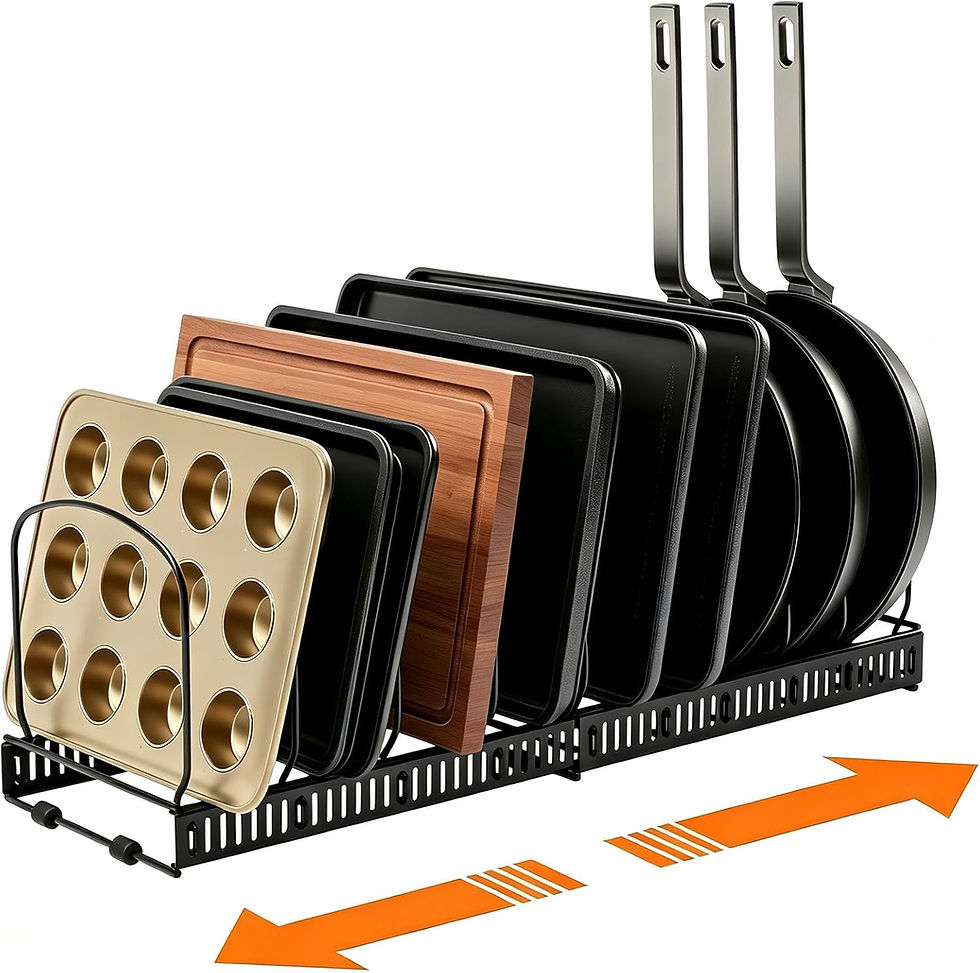
Store boards upright or on a rack to allow air circulation.
Avoid stacking wet boards, which traps moisture and encourages mold.
Keep boards away from direct sunlight or heat sources that can warp or crack them.
Designate specific storage spots for each board type to avoid mix-ups.
Sanitizing Cutting Boards Effectively
Cleaning cutting boards goes beyond washing with soap and water. Here are steps to sanitize boards properly:
Wash with hot, soapy water immediately after use.
Rinse thoroughly to remove soap residue.
Sanitize with a solution of 1 tablespoon of unscented liquid chlorine bleach per gallon of water. Let it sit for a few minutes.
Rinse again with clean water.
Air dry completely before storing.
Plastic boards can often go in the dishwasher, which uses high heat to sanitize. Wooden boards should not be soaked or put in the dishwasher, as this damages the wood.

When to Replace Your Cutting Boards
Even with good care, cutting boards wear out and can become unsafe.
Deep grooves and cracks harbor bacteria and are hard to clean.
Warping or splitting makes boards unstable and unsafe to use.
Persistent stains or odors indicate bacteria buildup.
Replace plastic boards every 1-2 years depending on use.
Wooden boards can last longer but should be replaced if damaged.
Regularly inspect your boards and replace them as soon as they show signs of wear that affect safety.

Maintaining Your Cutting Boards for Longevity and Safety
Good maintenance keeps boards safe and extends their life.
Oil wooden and bamboo boards monthly with food-grade mineral oil to prevent drying and cracking.
Avoid soaking wooden boards; clean quickly and dry immediately.
Use separate knives and utensils for different boards to reduce cross-contamination.
Sand wooden boards lightly if they develop rough spots or deep cuts.
Rotate boards to distribute wear evenly.

Final Thoughts
Choosing the right cutting board is one of the simplest ways to improve both food safety and your cooking experience. Whether you prefer the durability of plastic, the natural beauty of wood, or the convenience of bamboo, selecting the right board for each task helps prevent cross-contamination and keeps your kitchen running smoothly.
Just as important as choosing the right cutting board is maintaining it properly. Clean your boards thoroughly after each use, sanitize them when needed, replace boards with deep grooves or excessive wear, and keep separate boards for raw meats and ready-to-eat foods. These simple habits can significantly reduce the risk of foodborne illness while extending the life of your cutting boards.
With the right care and a commitment to safe food handling, your cutting boards will remain reliable kitchen tools for years to come. A few extra moments spent cleaning and maintaining them can help protect your family, preserve your investment, and give you confidence every time you prepare a meal.



Comments