The Healing Power of Organic Herbal Medicine: Teas, Spices and Oils for Wellness

Organic herbal medicine has gained renewed attention as people seek natural ways to support their health. Unlike synthetic drugs, organic herbs offer a gentle, holistic approach to wellness. This post explores how teas, spices, and oils made from organic herbs can promote healing, boost immunity, and improve overall well-being.
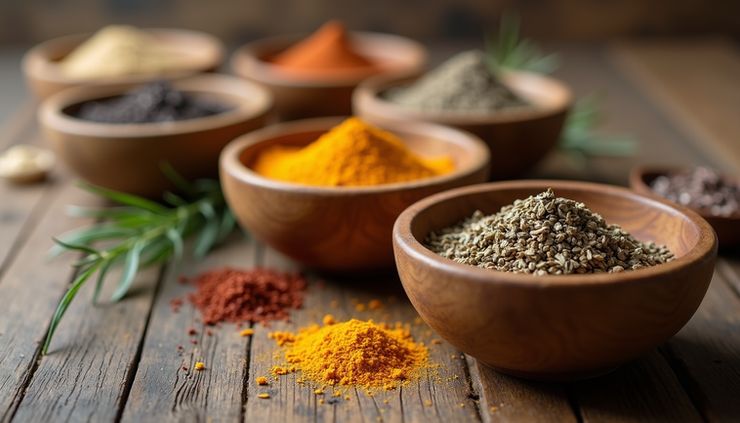
Why Choose Organic Herbal Medicine?
Organic herbal medicine means herbs grown without synthetic pesticides, fertilizers, or genetically modified organisms. This ensures the plants retain their natural potency and are free from harmful chemicals. Choosing organic herbs supports sustainable farming and reduces exposure to toxins that may interfere with the body's natural healing processes.
Herbs have been used for thousands of years across cultures to treat ailments, improve digestion, reduce inflammation, and calm the mind. Today, scientific studies confirm many of these benefits, especially when herbs are consumed as teas, spices, or oils.
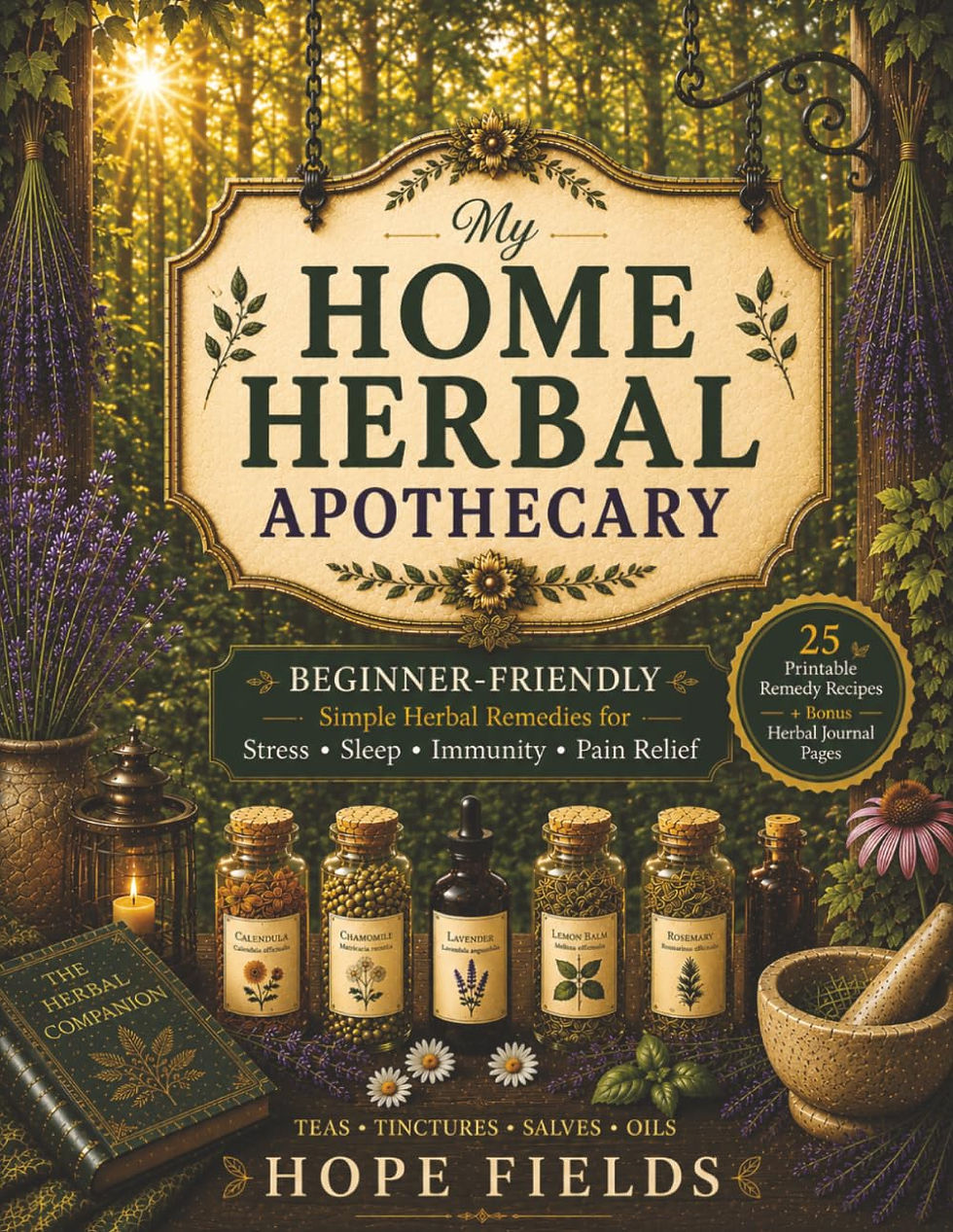
Healing Benefits of Herbal Teas
Herbal teas are one of the easiest ways to enjoy the healing properties of herbs. They extract water-soluble compounds that can soothe, detoxify, or energize the body.
Popular Organic Herbal Teas and Their Uses
Chamomile
Known for its calming effects, chamomile tea helps reduce anxiety and improve sleep quality. It also has mild anti-inflammatory properties that soothe digestive discomfort.
Peppermint
Peppermint tea aids digestion by relaxing the muscles of the gastrointestinal tract. It can relieve bloating, gas, and nausea.
Ginger
Ginger tea is a natural anti-inflammatory and antioxidant. It supports digestion, reduces nausea, and may ease muscle pain.
Echinacea
Often used to boost the immune system, echinacea tea may reduce the duration of colds and respiratory infections.
Lemon Balm
Valued for its calming properties and gentle citrus flavor.
Nettle
Rich in vitamins and minerals that support overall health.
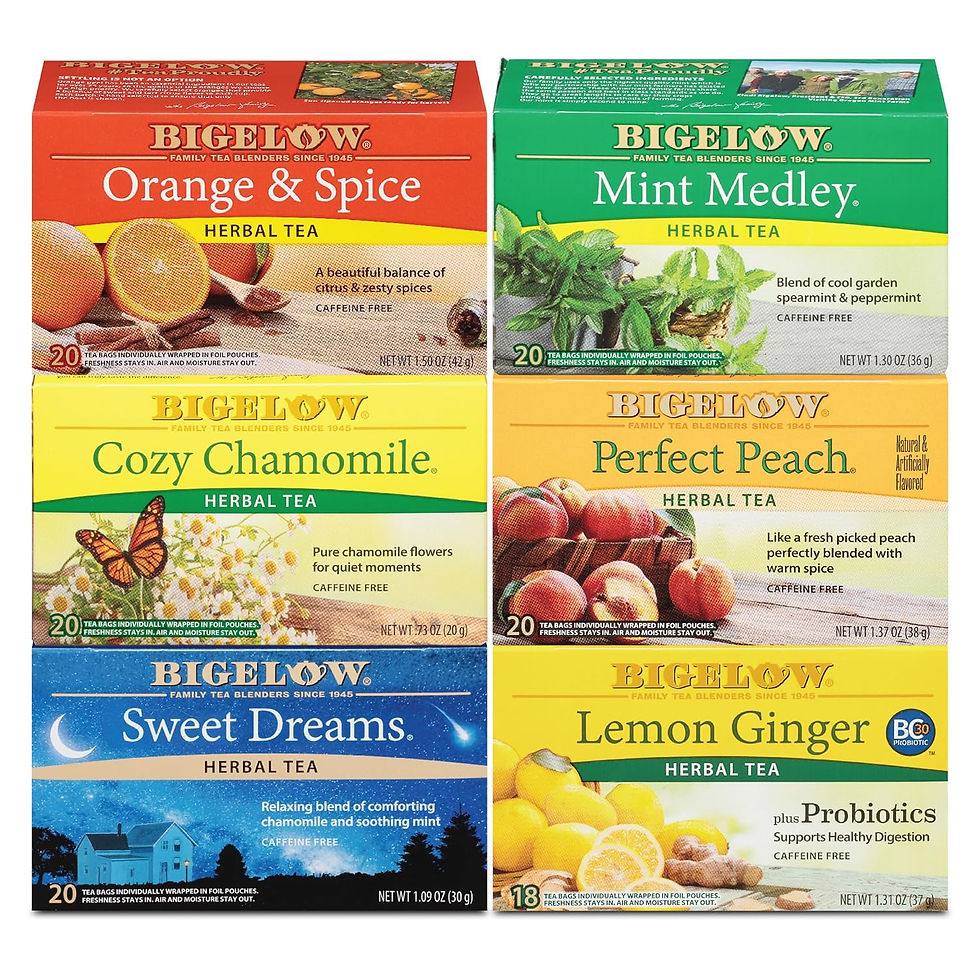
How to Brew Herbal Teas for Maximum Benefit
Use fresh or dried organic herbs.
Steep herbs in hot water (not boiling) for 5 to 10 minutes.
Cover the cup while steeping to preserve volatile oils.
Drink without sugar or add natural sweeteners like honey if desired.
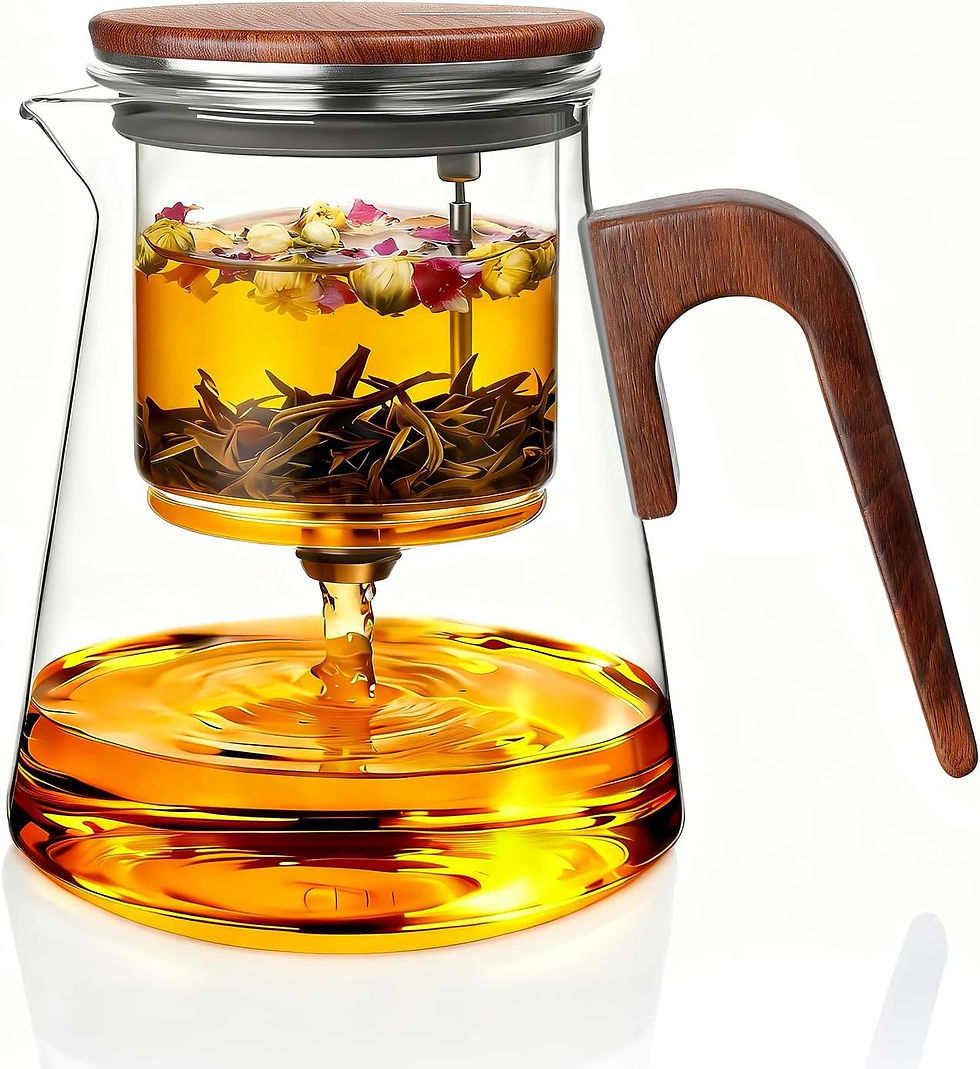
Simple Herbal Tea Recipe
Try this soothing herbal tea blend:
Ingredients
1 teaspoon dried chamomile
1 teaspoon dried lemon balm
½ teaspoon dried peppermint
1 cup hot water
Honey (optional)
Directions
Steep the herbs in hot water for 5–10 minutes. Strain, sweeten with honey if desired, and enjoy while warm.

The Role of Spices in Herbal Medicine
Spices are concentrated forms of herbs that add flavor and medicinal value to food. Many spices contain antioxidants and compounds that support health.
Key Organic Spices and Their Wellness Properties
Turmeric
Known for its bright golden color, turmeric contains curcumin, a compound studied for its antioxidant and anti-inflammatory properties. Pairing turmeric with black pepper may improve curcumin absorption.
Cinnamon
Cinnamon adds warmth to baked goods, oatmeal, and teas while providing antioxidants that support overall wellness
Cloves
Rich in eugenol, cloves have antiseptic and pain-relieving effects. They can aid oral health and digestion.
Cardamom
Known for digestive benefits, cardamom can relieve indigestion and improve appetite.
Garlic
Garlic has long been valued in traditional medicine and is widely used to support heart health and immune function as part of a balanced diet.

Using Spices for Health
Add spices to meals, smoothies, or warm drinks.
Combine turmeric with black pepper to enhance absorption.
Use fresh ground spices for stronger effects.
Incorporate spices regularly for ongoing wellness support.
Tip: Add supplements with these healing spices to your daily routine for better health.

Healing with Organic Herbal Oils
Herbal oils are extracted from plants and contain concentrated active compounds. They can be used topically or internally, depending on the oil and preparation.
Common Organic Herbal Oils and Their Uses
Lavender Oil
Applied topically, lavender oil promotes relaxation, reduces skin irritation, and helps with minor burns.
Tea Tree Oil
Known for antimicrobial properties, tea tree oil treats acne, fungal infections, and minor wounds.
Eucalyptus Oil
Used in aromatherapy and topical applications to relieve congestion and muscle pain.
Peppermint Oil
Provides a cooling sensation and relieves headaches and muscle tension when applied to the skin.
Lemon Oil
Provides a refreshing scent for your home.

Tips for Using Herbal Oils Safely
Always dilute essential oils with carrier oils like coconut or jojoba before applying to skin.
Perform a patch test to check for allergic reactions.
Consult a healthcare provider before ingesting any herbal oils.
Use oils in aromatherapy diffusers to enjoy benefits without direct contact.
Tip: The Laguna Moon Gift Set is a great way to get started with some of the most popular essential oils.

Combining Teas, Spices, and Oils for Holistic Wellness
Integrating organic herbal teas, spices, and oils into daily routines can create a balanced approach to health. For example:
Start the day with a warm cup of ginger and turmeric tea to reduce inflammation.
Use cinnamon and cardamom in cooking to support digestion and blood sugar balance.
Apply diluted lavender oil in the evening to promote restful sleep.
This combination addresses multiple aspects of wellness: digestion, immunity, relaxation, and skin health.
Tip: Spray some lavender mist on your pillow for a restful, peaceful sleep.

Practical Tips for Choosing and Using Organic Herbal Products
Look for certified organic labels to ensure purity.
Buy from reputable suppliers who test for contaminants.
Store herbs and oils in cool, dark places to preserve potency.
Experiment with small amounts to find what works best for your body.
Keep a journal to track effects and adjust usage accordingly.
Safety Considerations and When to Seek Advice
While organic herbal medicine is generally safe, some herbs and oils can interact with medications or cause allergic reactions. Pregnant or breastfeeding women, children, and people with chronic conditions should consult healthcare professionals before starting herbal treatments.
This post provides general information and does not replace professional medical advice.

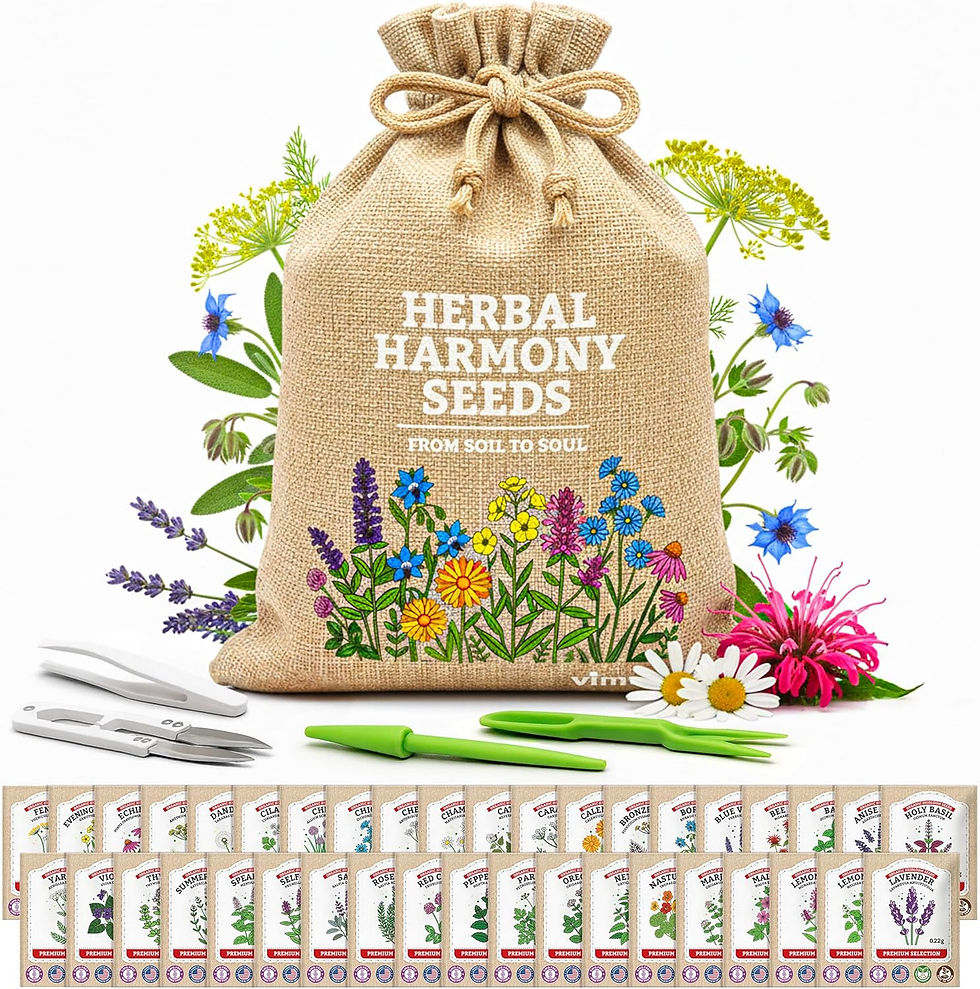
Grow Your Own Herbal Garden
One of the best ways to enjoy organic herbs is to grow them yourself. Even a small garden or container on a patio can provide fresh herbs throughout the growing season.
Easy herbs for beginners include:
Basil
Parsley
Mint
Thyme
Oregano
Sage
Rosemary
Chives
Lemon Balm
Chamomile
Fresh herbs can be harvested, dried, and stored for teas, cooking, and homemade herbal blends.
Final Thoughts
Organic herbal medicine offers a beautiful way to reconnect with nature while supporting your overall wellness. Whether you're sipping a calming cup of chamomile tea, seasoning meals with healing spices, or tending your own herb garden, these simple practices can become part of a healthy, balanced lifestyle.
Growing herbs, cooking with natural ingredients, and learning about traditional plant remedies can help you appreciate the gifts found in God's creation. With thoughtful use and proper guidance, herbs can be a valuable companion on your journey toward healthier living—one cup of tea, one garden harvest, and one meal at a time.

Herb Turmeric Body Scrub with Turmeric and Herbal Extracts for Smooth and Soft-Looking Skin, 300 g (Pack of 2)



Comments