The Ultimate Guide to Raising Rabbits for Families with Young Children: Breeds, Housing, Feeding and Care

Raising rabbits can be a rewarding experience for families with young children. These gentle animals teach responsibility, empathy, and provide endless joy. However, choosing the right breed, providing proper housing, and understanding their diet and care needs are essential to ensure a happy and healthy rabbit. This guide covers everything families need to know about raising rabbits, including the differences between meat and pet rabbits, the best breeds for children, and practical tips on feeding and housing.
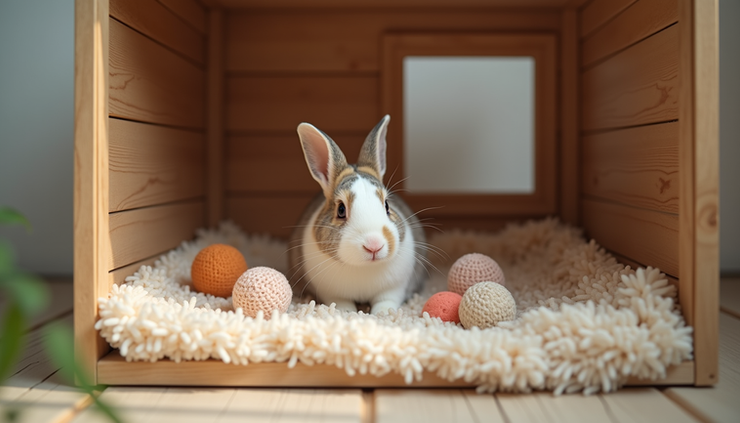
Why Rabbits Make Great Family Pets
Rabbits offer many benefits for families, including:
Gentle and affectionate personalities.
Quiet animals that rarely disturb neighbors.
Lower space requirements than many larger livestock.
Excellent opportunities to teach responsibility and compassion.
Manure that can be added directly to many gardens without composting first.
A chance for children to learn about animal behavior and proper care.
Children should always be supervised when handling rabbits to ensure both the child and the rabbit remain safe and comfortable.
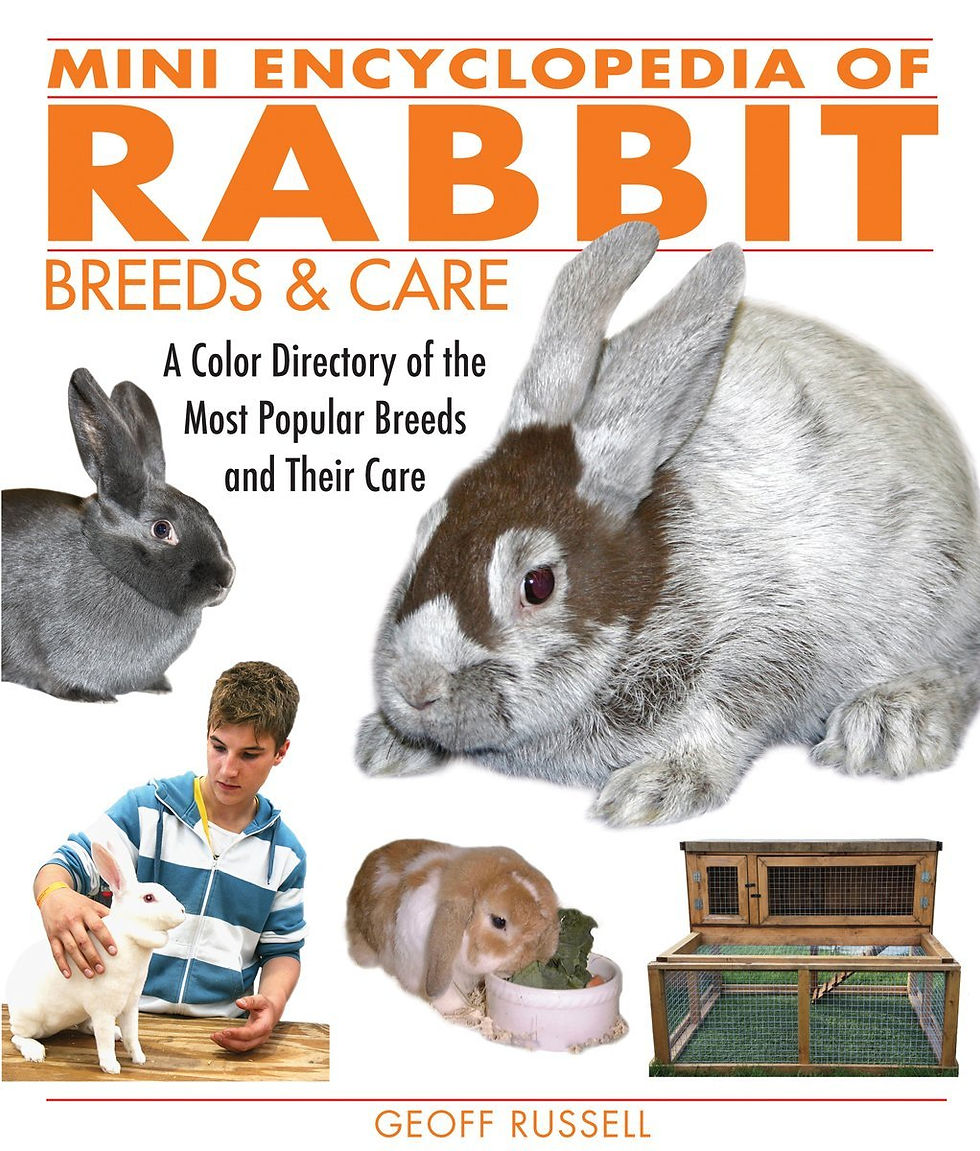
Choosing the Right Rabbit Breed for Families with Young Children
Not all rabbits are the same. Some breeds are better suited as pets, especially for young children, while others are raised primarily for meat. Understanding these differences helps families pick the best companion.
Pet Rabbits vs. Meat Rabbits
Pet rabbits are bred for temperament, size, and appearance. They tend to be friendlier and more sociable, making them ideal for children.
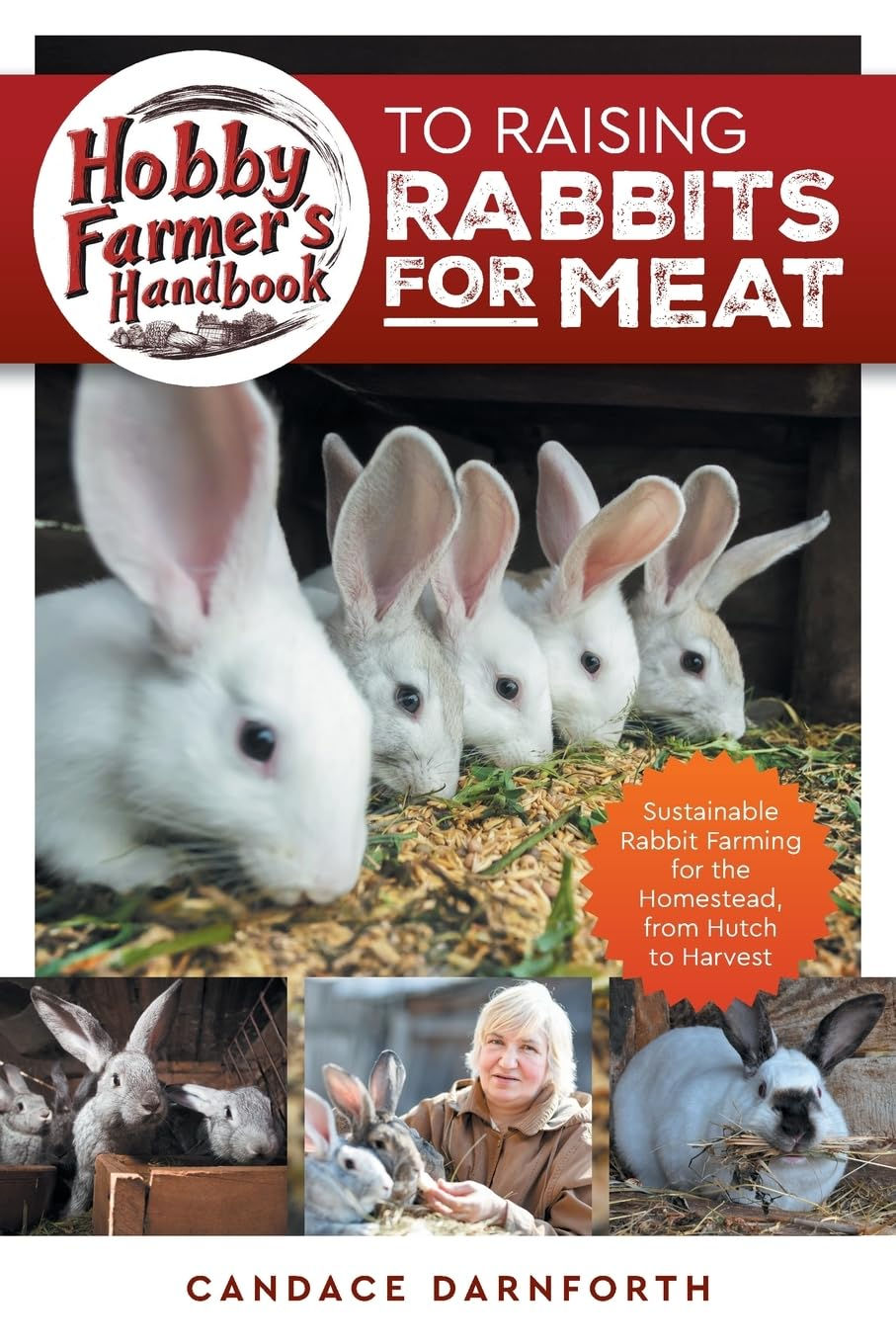
Meat rabbits are bred for rapid growth and size. They are usually larger but may not have the calm temperament that makes a good family pet.
Families with young children should focus on pet breeds known for their gentle nature and manageable size.
Best Rabbit Breeds for Young Children
Here are some breeds that combine friendliness, size, and ease of care:
Holland Lop
Small, with floppy ears and a calm personality. They enjoy gentle handling and are very social.
Mini Rex
Known for their soft, velvety fur and playful nature. They are medium-sized and adapt well to family life.
Netherland Dwarf
Tiny and cute, but can be a bit shy. They require gentle handling but are good for families who want a small rabbit.
English Angora
Fluffy and calm, they need regular grooming but are very affectionate.
Lionhead
Recognizable by their mane-like fur around the head, they are friendly and enjoy interaction.
Pros and Cons of Popular Breeds
| Breed | Pros | Cons |
|-------------------------|-----------------------------------------|-----------------------------------------------|
| Holland Lop | Friendly, small, easy to handle | Can be prone to ear infections |
| Mini Rex | Soft fur, playful, hardy | Needs regular nail trimming |
| Netherland Dwarf | Small size, cute | Can be skittish, needs gentle care |
| English Angora | Affectionate, unique fur | Requires frequent grooming |
| Lionhead | Friendly, unique appearance | Fur can mat without care |

Housing Requirements for Rabbits in Family Homes
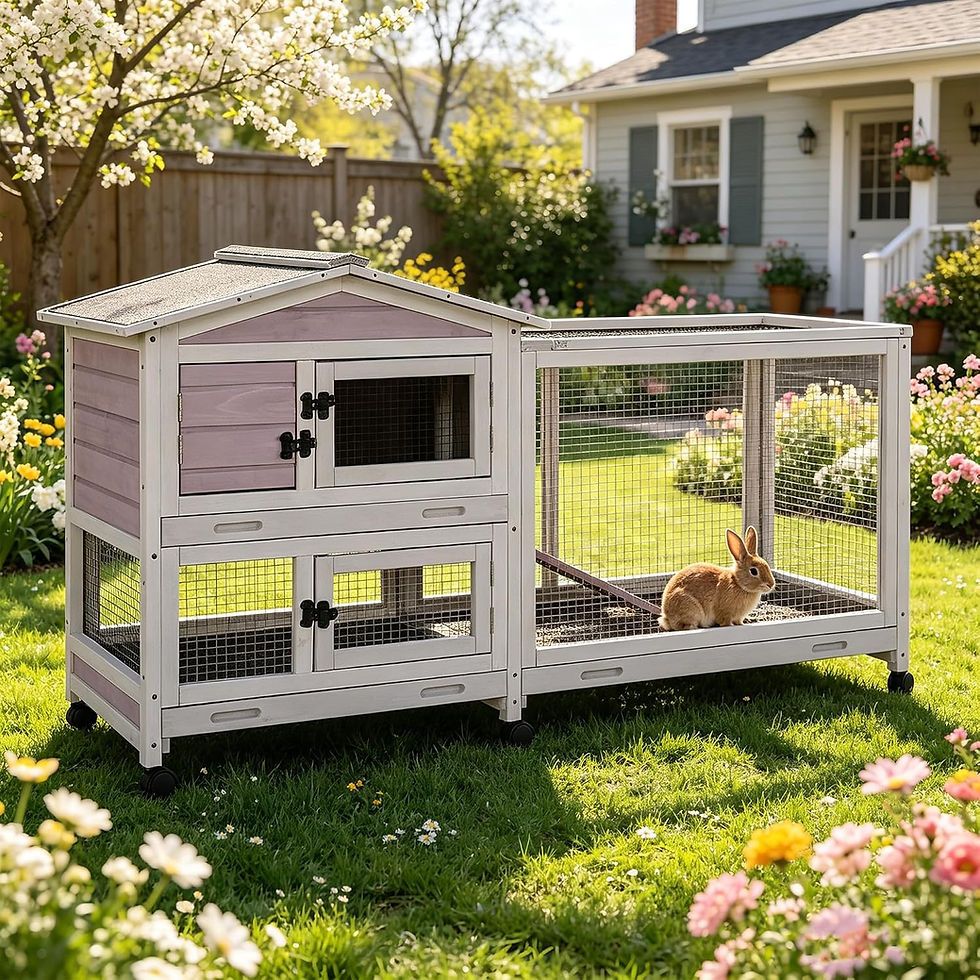
Proper housing is crucial for a rabbit’s health and happiness. Rabbits need space to move, play, and rest safely.
Indoor vs. Outdoor Housing
Indoor housing protects rabbits from predators, extreme weather, and parasites. It also allows closer interaction with children.
Outdoor housing can be suitable if the hutch is secure, weatherproof, and provides enough space.
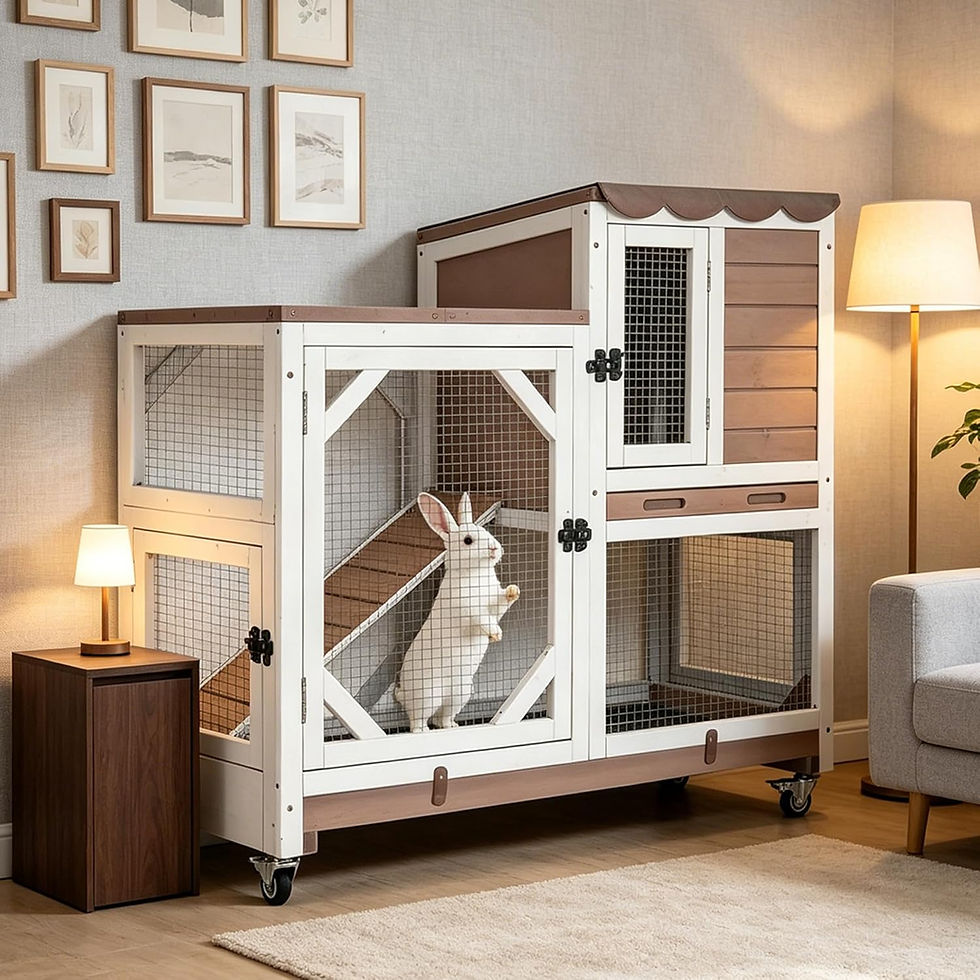
Space Needs
Rabbits need room to hop, stretch, and explore. A general guideline is:
Minimum of 12 square feet of living space per rabbit inside the hutch.
An additional exercise area of at least 24 square feet where they can run daily.
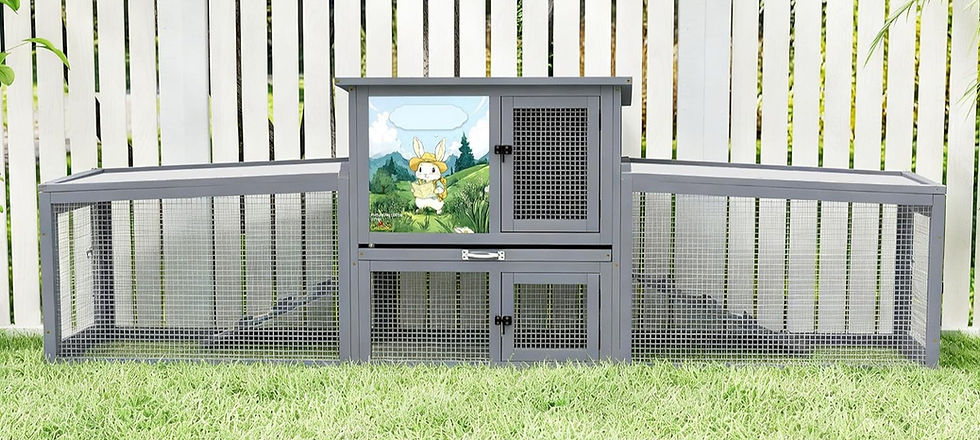
For families with young children, indoor hutches with a connected playpen area work well. This setup keeps rabbits safe and allows children to observe and interact.
Ideal Housing Features
Solid flooring with soft bedding (avoid wire floors to protect feet)
Good ventilation without drafts
Easy access for cleaning
Safe from household pets like dogs or cats
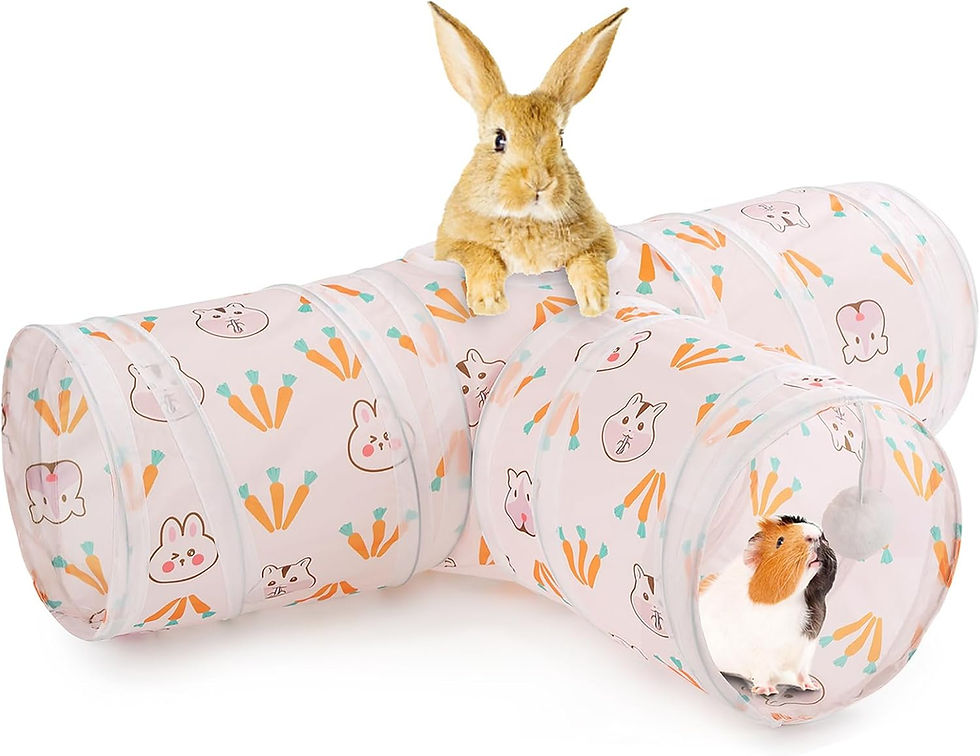
Enrichment items like tunnels, chew toys, and hiding spots
Feeding and Nutrition for Healthy Rabbits
A balanced diet is essential for a rabbit’s well-being. Poor nutrition can lead to health problems like obesity, dental issues, and digestive troubles.
Core Diet Components
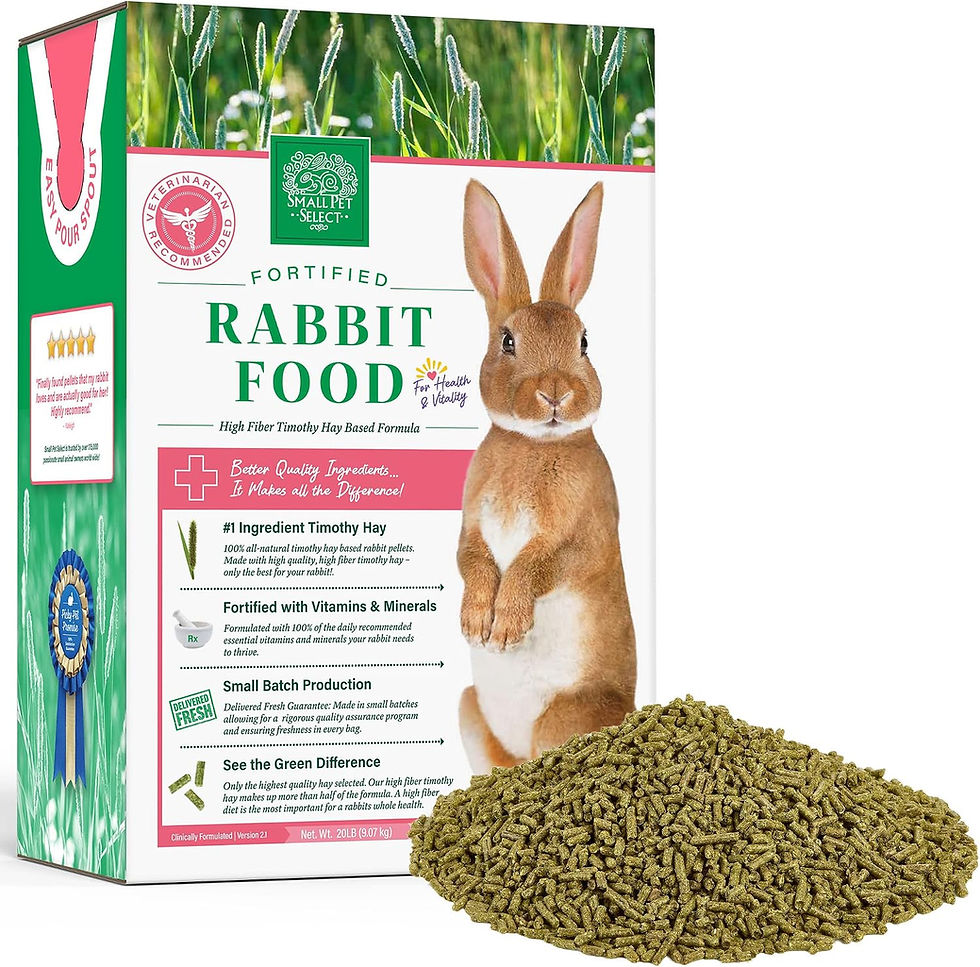
Hay: The foundation of a rabbit’s diet. Timothy hay or orchard grass should be available at all times to support digestion and dental health.
Fresh vegetables: Leafy greens like romaine lettuce, cilantro, and parsley provide vitamins and minerals.
Pellets: High-quality rabbit pellets can supplement the diet but should be limited to avoid obesity.
Fresh water: Always provide clean, fresh water in a heavy bowl or water bottle.

Healthy Treats
Apple slices (without seeds)
Blueberries
Strawberries
Carrots in small amounts

Foods to Avoid
Iceberg lettuce (low nutrition, can cause diarrhea)
Sugary fruits (only small amounts as treats)
Human snacks or processed foods
Toxic plants like rhubarb, onion, or avocado
Feeding Tips for Families
Teach children to feed rabbits the right foods and amounts.
Use a feeding schedule to avoid overfeeding.
Monitor the rabbit’s weight and health regularly.
Caring for Rabbits: Daily and Long-Term Needs
Rabbits require daily attention and care to thrive. This includes grooming, health checks, and social interaction.
Daily Care Tasks
Check food and water supplies.
Clean the litter box or bedding area.
Spend time interacting gently with the rabbit.
Provide fresh vegetables and hay.
Grooming
Brush fur regularly, especially for long-haired breeds like Angoras.
Trim nails every 4-6 weeks.
Check ears and teeth for signs of infection or overgrowth.

Health Monitoring
Watch for changes in appetite, behavior, or droppings.
Rabbits can hide illness, so early detection is key.
Schedule regular vet visits with a rabbit-savvy veterinarian.
Common Health Concerns
Watch for signs that your rabbit may need veterinary care:
Loss of appetite
Diarrhea or abnormal droppings
Difficulty breathing
Runny eyes or nose
Overgrown teeth
Lethargy
Head tilt
Sudden weight loss
Finding a veterinarian experienced with rabbits before an emergency arises is a wise step for every owner.

Teaching Children to Handle Rabbits
Young children should learn to interact gently with rabbits.
Teach children to:
Sit on the ground when holding a rabbit.
Support both the chest and hindquarters.
Avoid chasing or grabbing.
Speak quietly.
Wash hands after handling animals.
Respect the rabbit when it wants to rest.
Adult supervision helps prevent accidental injuries.
Pros and Cons of Raising Rabbits for Families
Pros
Teach children responsibility and empathy.
Rabbits are quiet and can be litter trained.
They require less space than many other pets.
Provide companionship and fun interaction.
Cons
Rabbits need daily care and attention.
Some breeds require grooming and special diets.
They can be fragile and need gentle handling.
Housing and supplies can be costly upfront.
Space Considerations for Families with Young Children
Families often have limited space, so planning is important.
Choose a rabbit breed that fits your available space.
Use multi-level hutches or pens to maximize vertical space.
Create a safe play area where rabbits can exercise.
Keep housing in a quiet, low-traffic area to reduce stress.
Rabbit Manure: A Garden Bonus
One of the greatest benefits of raising rabbits on a homestead is their nutrient-rich manure. Rabbit manure is often called "garden gold" because it contains valuable nutrients that help plants thrive. Unlike many other livestock manures, rabbit manure can often be added directly to garden beds without composting first, though composting is still beneficial for improving soil structure.
Many gardeners use rabbit manure around:
Tomatoes
Peppers
Squash
Cucumbers
Herbs
Flower gardens
Raised beds
It's a natural way to recycle nutrients and support healthy soil.

Final Thoughts
Raising rabbits can be an enjoyable and educational experience for the whole family. With proper housing, a balanced diet, gentle handling, and regular care, rabbits can become beloved companions while teaching children valuable lessons about kindness, responsibility, and stewardship.
Whether you're beginning your homesteading journey or simply looking for a family-friendly animal to add to your backyard, rabbits are a wonderful choice. They require thoughtful care, but the rewards—from happy pets to healthy gardens—make them a valuable part of family life.
By providing a safe environment and involving children in age-appropriate daily tasks, you'll create lasting memories while helping the next generation develop a lifelong appreciation for animals and the outdoors.



Comments