Starting Your Goat-Raising Journey

Starting with goats can be a rewarding experience, whether you want them for milk, meat, fiber, or simply as pets. However, goats require specific care and attention to thrive. This guide covers everything you need to know before bringing goats home, helping you prepare for their needs and avoid common pitfalls.

Choosing the Right Breed for Your Goals
Goats come in many breeds, each suited for different purposes. Selecting the right breed depends on what you want from your goats:
Dairy goats like Nubians, Saanens, and Alpines produce milk with varying fat content and volume.
Meat goats such as Boer goats grow quickly and have good muscle mass.
Fiber goats like Angoras produce mohair, while Cashmere goats provide soft undercoat fibers.
Pet or hobby goats are often smaller breeds like Nigerian Dwarfs, known for their friendly nature.
Consider your climate, space, and what you want to achieve before choosing a breed. For example, Nubians tolerate heat well, making them ideal for warmer regions.

Preparing Shelter and Space
Goats need a safe, dry shelter to protect them from rain, wind, and extreme temperatures. Their shelter should include:
Adequate ventilation to prevent respiratory issues.
Dry bedding such as straw or wood shavings.
Secure fencing to keep goats in and predators out. Goats are excellent escape artists, so fences should be at least 4-5 feet tall and sturdy.
Each goat requires about 200 square feet of outdoor space for grazing and exercise. Overcrowding can lead to stress and health problems.
Tip: A goat house is also a great edition to your goat enclosure to help them get in out of the weather.

Feeding and Nutrition Basics
Goats are browsers, which means they prefer to eat shrubs, leaves, and weeds rather than just grass. Their diet should include:
Good quality hay as the main feed, especially in winter or when pasture is limited.
Fresh browse or pasture for variety and nutrients.
Grain supplements if needed, especially for pregnant or lactating does.
Clean, fresh water available at all times.
Avoid feeding goats plants that are toxic to them, such as azaleas, rhododendrons, and yew.
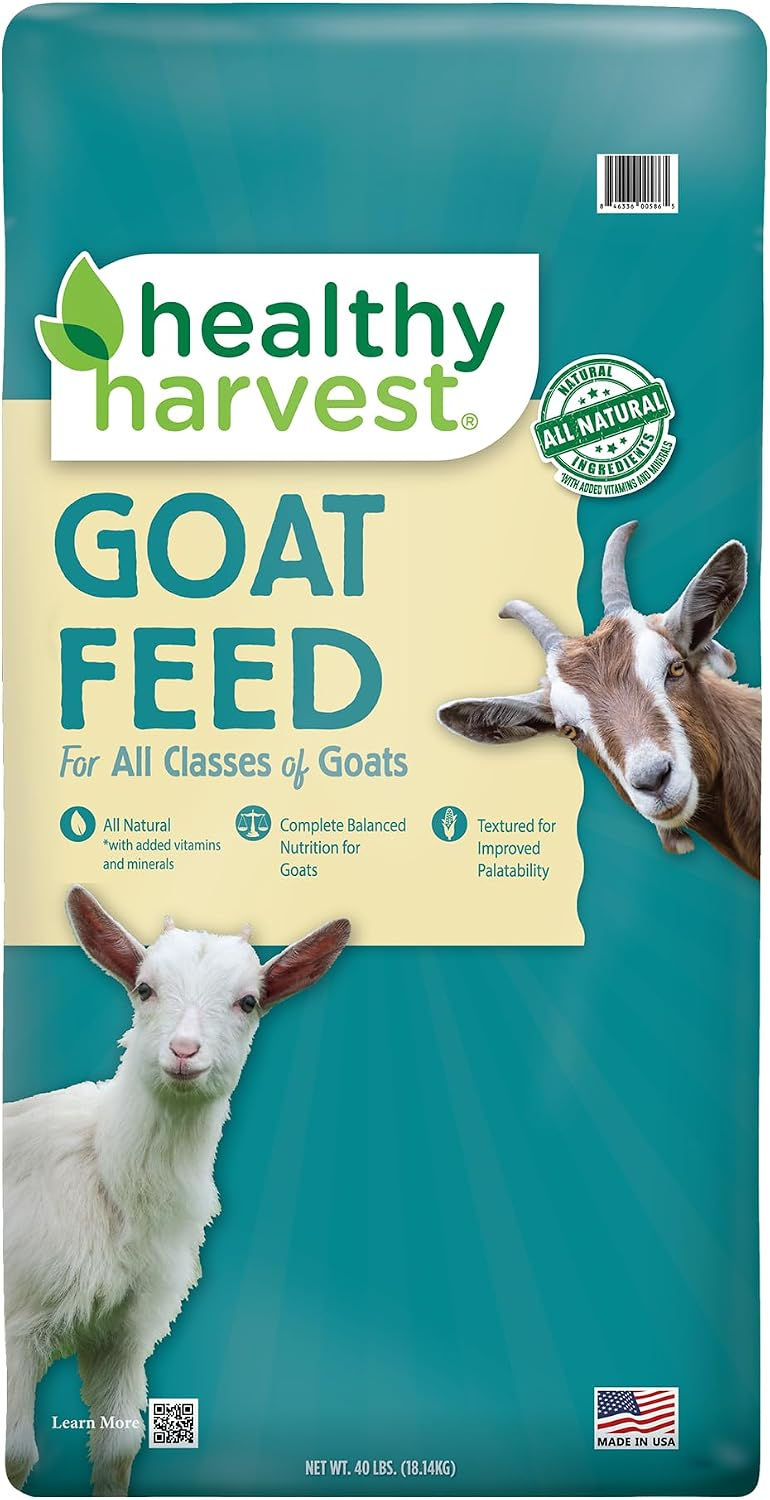
Tip: Give your goat a feed like Healthy Harvest. It is full of vitamins and minerals they may not get from hay alone.
Health Care and Common Issues
Regular health care keeps goats productive and happy. Key points include:
Vaccinations against diseases like tetanus and enterotoxemia.
Deworming based on fecal tests to avoid resistance.
Hoof trimming every 6-8 weeks to prevent lameness.
Observation for signs of illness such as lethargy, coughing, or diarrhea.
Building a relationship with a veterinarian experienced in goats is essential for emergencies and routine care.
Tip: Keep medicine like Ivermectin on hand so you can treat your animals at the first sign of distress.

Handling and Social Needs
Goats are social animals and thrive in groups. Keeping at least two goats together prevents loneliness and behavioral problems. When handling goats:
Approach calmly and confidently.
Use gentle restraint techniques.
Spend time bonding through feeding and grooming.
Proper handling reduces stress and makes routine care easier.

Breeding and Raising Kids
If you plan to breed goats, understand their reproductive cycle:
Does come into heat every 18-21 days during breeding season.
Gestation lasts about 150 days.
Provide extra nutrition and shelter for pregnant does.
Kids need colostrum within the first 24 hours for immunity.
Raising kids requires careful feeding, warmth, and protection from predators.
Tip: Having a goat journal will help track your goat care and remind you when it is time for routine care.

Equipment and Supplies You Will Need
Before bringing goats home, gather essential supplies:
Feeders and waterers designed for goats.
Bedding materials.
Grooming tools like brushes and hoof trimmers.
Fencing materials.
Health supplies such as vaccines, dewormers, and first aid kits.
Having these ready ensures a smooth start.
Tip: If you are going to want to milk your goat or just check their feet for grooming, this goat stand offers a very secure way to restrain the goat.

Understanding Goat Behavior
Goats are curious and intelligent. They enjoy climbing, exploring, and interacting with their environment. Providing enrichment like logs, rocks, or platforms helps prevent boredom and destructive behavior.
They also communicate through bleats and body language. Learning to read these signals helps you respond to their needs effectively.


Comments