Boosting Chicken Health with Hot Spices Such as Red Pepper Flakes and Chili for Natural Deworming

Keeping chickens healthy is a top priority for backyard poultry keepers and small farmers. One common challenge is managing internal parasites, which can weaken birds and reduce egg production. While commercial dewormers are available, many poultry enthusiasts seek natural alternatives that support overall health without chemicals. Hot spices like red pepper flakes and chili offer promising benefits as natural deworming agents and immune boosters for chickens.
How Hot Spices Help Chickens Fight Parasites
Internal parasites such as roundworms, tapeworms, and cecal worms are common in chickens. These parasites can cause poor nutrient absorption, weight loss, and lethargy. Hot spices contain compounds that may reduce parasite load naturally:
Capsaicin is the active compound in chili peppers and red pepper flakes. It has antimicrobial and antiparasitic properties.
Capsaicin irritates the digestive tract of parasites, making the environment less hospitable.
Spices stimulate the chicken’s immune system, helping birds fight infections more effectively.
Research on poultry is limited but studies on other animals suggest that capsaicin can reduce worm burdens and improve gut health. Many poultry keepers report fewer worms and healthier birds after adding small amounts of hot spices to feed.
Tip: Jalapeño is very easy to grow. I grow them beside my chicken coop as a treat for my chickens.

Types of Hot Spices Suitable for Chickens
Not all spices are safe or effective for chickens. Here are some commonly used hot spices with benefits:
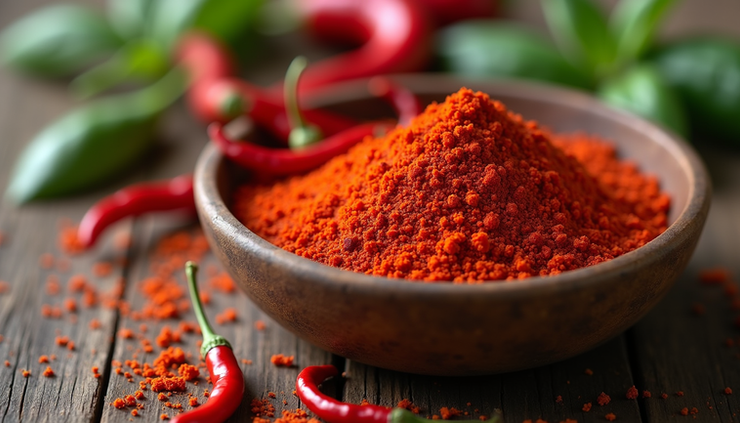
Red Pepper Flakes: Dried and crushed chili peppers, easy to mix into feed.
Cayenne Pepper: A type of chili powder with high capsaicin content.
Fresh Chili Peppers: Can be finely chopped and added in small amounts.
Paprika: Milder than cayenne but still contains beneficial compounds.
Turmeric (not hot but often combined): Supports immune health and digestion.
Avoid spices that are too strong or toxic to poultry, such as black pepper in large quantities or spices with unknown effects.
Tip: You can now buy bird seed that includes Chili Pepper Oil. This is also a great deterrent for squirrels in your wild bird feeders!

How to Safely Add Hot Spices to Chicken Feed
Introducing hot spices requires care to avoid upsetting the birds’ digestive system:
Start with very small amounts, such as 1/8 teaspoon per pound of feed.
Mix spices thoroughly into regular feed or treats.
Observe chickens for any signs of distress or refusal to eat.
Gradually increase the amount if birds tolerate it well.
Use spices intermittently rather than daily to prevent irritation.
Some poultry keepers add spices once or twice a week as a preventive measure. Others use them during parasite season or if worms are detected.
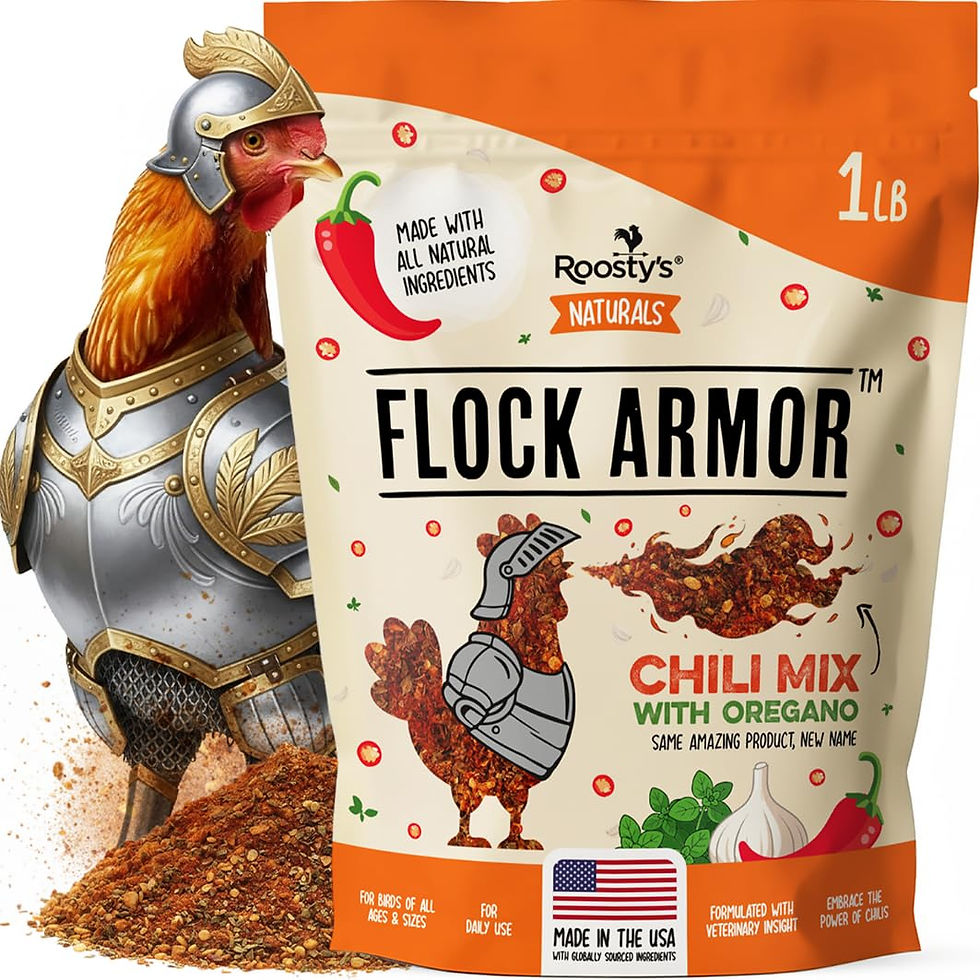
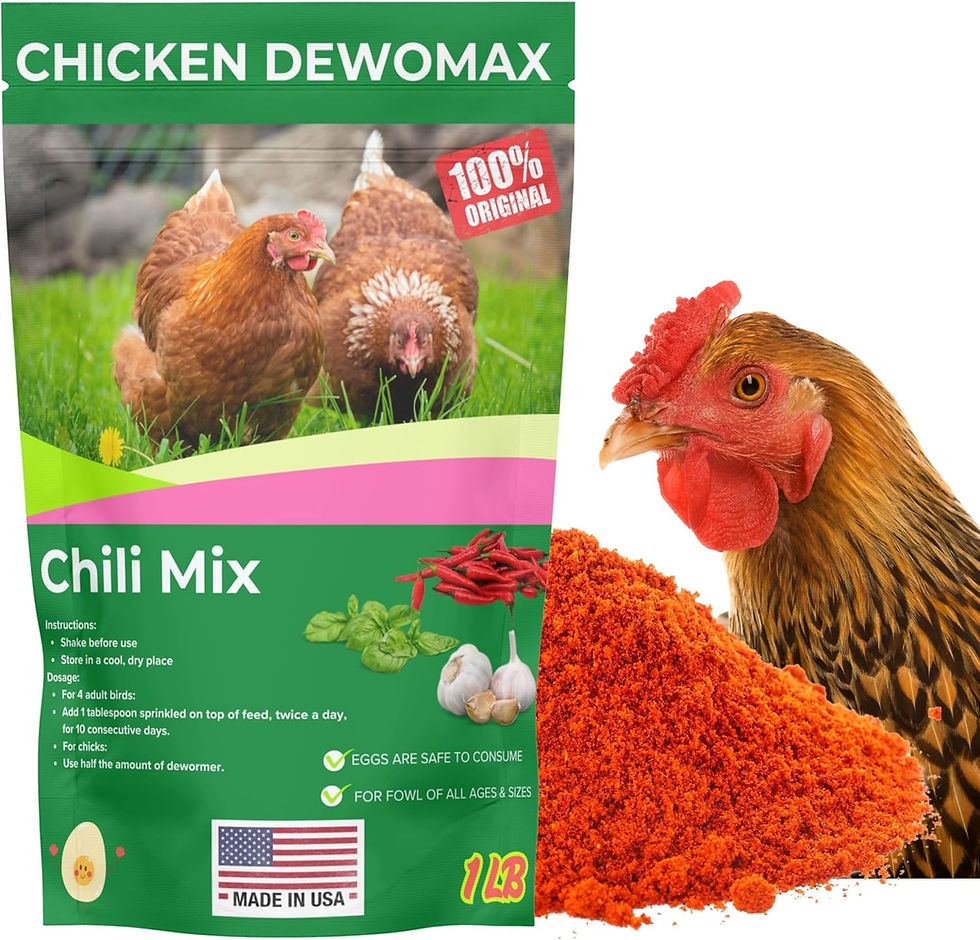
Tip: I keep Roosty's Chili Mix on hand and sprinkle in my chicken feed every time I refill.
Additional Benefits of Hot Spices for Chickens
Besides natural deworming, hot spices offer other health advantages:
Improved Digestion: Spices stimulate digestive enzymes and gut motility.
Enhanced Appetite: The aroma and taste can encourage picky eaters.
Antioxidant Effects: Capsaicin and related compounds reduce inflammation.
Better Egg Quality: Some reports link spice supplementation to stronger shells and richer yolks.
Deters Pests: The strong smell and spice naturally repel rodents (mice and rats) from raiding your chicken feed.
These benefits contribute to stronger, more resilient chickens that perform better overall.
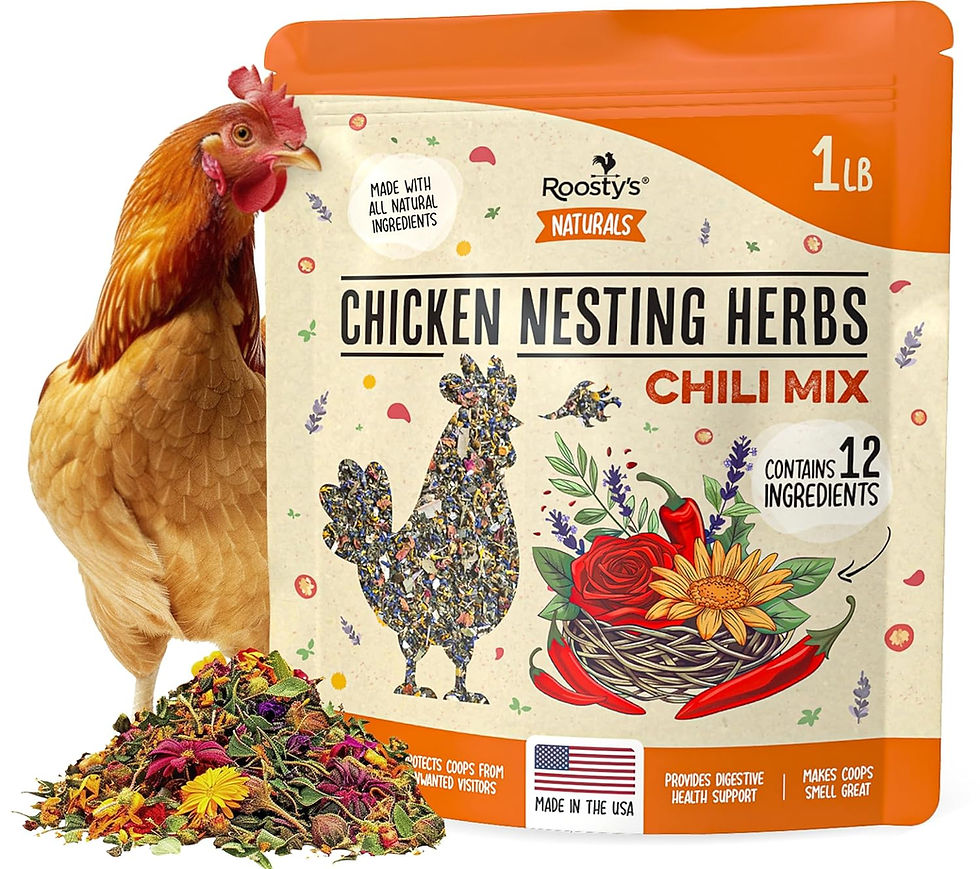
Tip: Roosty's nesting herbs with chili mix helps to deter pests in my coop and smells amazing.
Practical Tips for Using Hot Spices in Your Flock
Use organic or pesticide-free spices to avoid harmful residues.
Store spices in airtight containers away from moisture.
Combine spices with other natural remedies like garlic or diatomaceous earth for broader parasite control.
Keep records of how your chickens respond to spice supplementation.
Consult a poultry vet if you notice persistent health issues.
When to Avoid Using Hot Spices
While generally safe in moderation, avoid hot spices if:
Birds are very young chicks under 4 weeks old.
Chickens have existing digestive problems.
You notice signs of irritation such as diarrhea or reduced feed intake.
You are unsure about the source or quality of the spice.
Always prioritize your flock’s comfort and health.

Final Thoughts
Hot peppers are a safe, nutritious treat that can add vitamins, antioxidants, and enrichment to your chickens' diet. While they aren't a cure-all for disease or parasites, they can be a healthy supplement when offered in moderation alongside a complete layer or flock feed. As with any treat, moderation and a well-balanced diet are the keys to keeping your flock healthy and productive.


Comments