Enhancing Your Vegetable Garden with the Benefits of Sunflowers

Updated: Jun 30
Sunflowers are more than just bright, cheerful flowers. When planted in your vegetable garden, they offer a range of benefits that can improve the health and productivity of your crops. Whether you are a new gardener or looking to add something special to your garden, understanding how sunflowers contribute can help you make the most of your space.

How Sunflowers Support Vegetable Growth
Sunflowers act as natural helpers in the garden. Their tall stalks provide shade and wind protection for more delicate plants. This can be especially useful for vegetables that prefer cooler conditions or need shelter from strong winds.
In addition, sunflowers attract pollinators like bees and butterflies. These insects are essential for many vegetables to produce fruit. By planting the best sunflowers to grow near your crops, you encourage more pollination, which can lead to larger harvests.

Improving Soil Health with Sunflowers
Sunflowers have deep roots that reach far into the soil. These roots help break up compacted soil, improving aeration and water drainage. This makes it easier for vegetable roots to grow and access nutrients.
Moreover, sunflowers can help remove toxins from the soil. They absorb heavy metals and other harmful substances, which can improve soil quality over time. This natural process, called phytoremediation, benefits your vegetable garden by creating a cleaner growing environment.
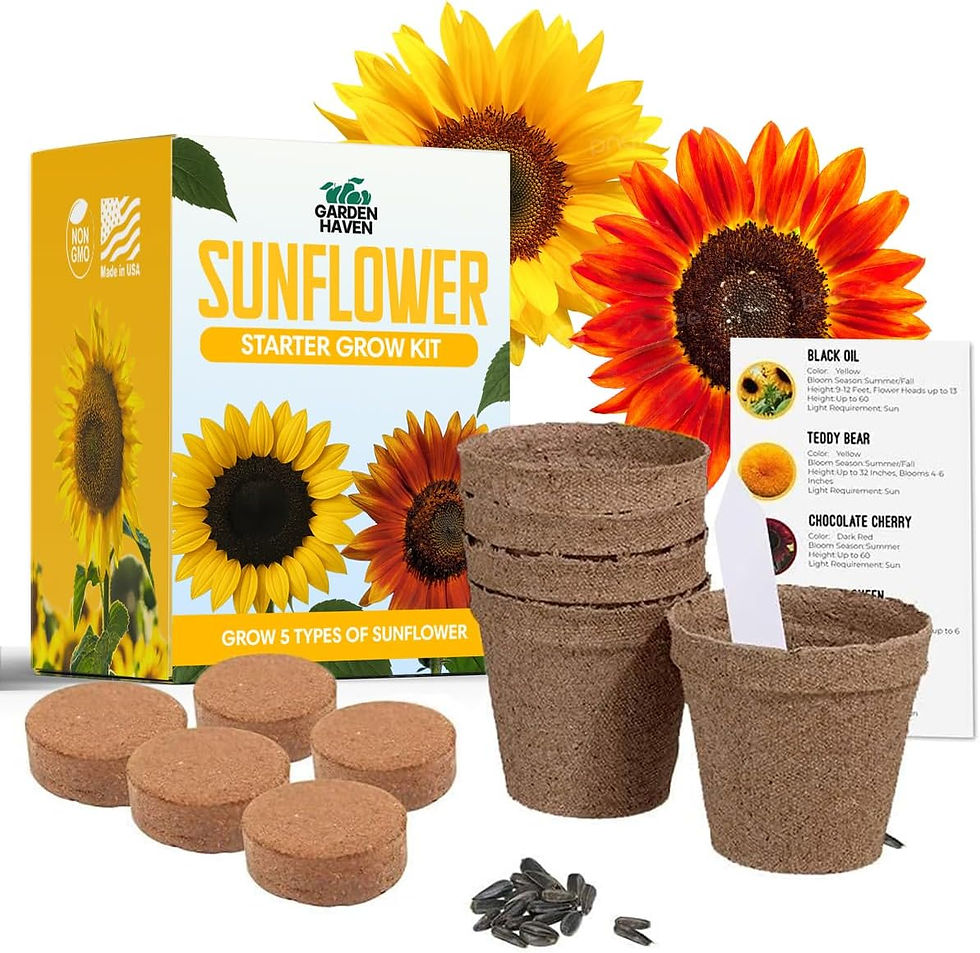
Tip: A great way to get little ones to love growing things, is to give them a Starter Grow Kit, like this one for Sunflowers!
Using Sunflowers as Natural Pest Control
Certain pests can damage vegetable plants, but sunflowers can help reduce these problems. They attract beneficial insects such as ladybugs and lacewings, which prey on common garden pests like aphids.
Sunflowers also act as trap crops. Some pests prefer sunflowers over vegetables, so planting the best sunflowers to grow can divert pests away from your main crops. This reduces the need for chemical pesticides and supports a healthier garden ecosystem.

Choosing the Best Sunflowers to Grow in Your Garden
Not all sunflowers are the same. Selecting the right varieties can maximize the benefits for your vegetable garden. Here are some popular options:
Mammoth Sunflower: Known for its impressive height and large flower heads, it provides excellent shade and attracts many pollinators.
Autumn Beauty: This variety offers colorful blooms and is great for attracting beneficial insects.
Dwarf Sunflowers: Perfect for small gardens or container planting, these sunflowers still support pollinators and pest control without taking up too much space.
When choosing sunflowers, consider your garden size, climate, and the specific needs of your vegetables.

Planting Tips for Sunflowers in Vegetable Gardens
To get the most from sunflowers, plant them strategically:
Place tall sunflowers on the north or west side of your garden to avoid shading sun-loving vegetables.
Space sunflowers about 1.5 to 2 feet apart to allow good air circulation.
Plant sunflowers early in the season so they mature alongside your vegetables.
Use sunflower seeds that are untreated and organic to keep your garden chemical-free.
Regular watering and well-drained soil will help your sunflowers thrive and support your vegetable plants effectively.

Additional Uses of Sunflowers in the Garden
Sunflowers also provide edible seeds that you can harvest for snacks or bird feed. Their stalks can be composted to add organic matter back into the soil. Some gardeners even use sunflower stalks as natural trellises for climbing vegetables like beans.
By integrating the best sunflowers to grow, you add versatility and sustainability to your garden.

Bringing It All Together
Sunflowers offer multiple benefits that enhance your vegetable garden’s health and productivity. They improve soil structure, attract pollinators, protect plants from pests, and provide natural shade. Choosing the right sunflower varieties and planting them thoughtfully can make a noticeable difference in your garden’s success.


Comments