How to Successfully Grow Blueberries in Your Garden or Small Patio

Growing blueberries can be a rewarding experience, whether you have a spacious garden or just a small patio. These delicious berries are packed with nutrients and add a fresh touch to your meals. However, successful blueberry cultivation requires understanding the right varieties, soil conditions, watering, and care techniques. This guide covers everything you need to know to grow healthy blueberry plants that produce abundant fruit.

Choosing the Right Blueberry Varieties
Blueberries come in several types, each suited to different climates and growing conditions. The main varieties include:
Highbush blueberries: The most common type, ideal for cooler climates. They grow tall and produce large berries.
Lowbush blueberries: Smaller plants with smaller berries, often found in wild or natural settings. They tolerate colder temperatures well.
Rabbiteye blueberries: Thrive in warmer climates and are more drought-resistant. They produce large, sweet berries.
Half-high blueberries: A hybrid between highbush and lowbush, suitable for cold climates with shorter growing seasons.
When selecting varieties, consider your local climate and soil. For example, if you live in a northern region with cold winters, half-high or lowbush types may be best. In warmer southern areas, rabbiteye varieties perform well.

Planting Blueberries: Spacing and Location
Blueberries need space to grow and good air circulation to prevent diseases. Plant bushes about 4 to 5 feet apart in rows spaced 8 to 10 feet apart. This spacing allows enough room for growth and makes harvesting easier.
Choose a planting site with full sun for at least six hours a day. Blueberries produce the best fruit when they get plenty of sunlight. They tolerate partial shade but may yield less fruit.
You can grow blueberries in the ground or in pots. Container growing works well for patios or small spaces. Use large pots (at least 18 inches wide) with good drainage.

Choosing the Perfect Location
Blueberries perform best when they receive:
At least 6 to 8 hours of direct sunlight each day.
Well-drained soil.
Good air circulation.
Protection from strong winds.
Avoid low areas where water tends to collect.

Soil Requirements and Amendments
Blueberries prefer acidic soil with a pH between 4.5 and 5.5. Most garden soils are not acidic enough, so you may need to amend the soil before planting.
To prepare the soil:
Test the soil pH using a kit or send a sample to a local extension service.
Add elemental sulfur or peat moss to lower the pH if needed.
Mix in organic matter like compost or pine bark to improve drainage and fertility.
Blueberries have shallow roots and dislike heavy clay or waterlogged soil. Raised beds or mounded rows can help improve drainage.

Fertilizing Blueberries
Blueberries benefit from regular feeding but are sensitive to over-fertilizing. Use a fertilizer formulated for acid-loving plants, such as one labeled for azaleas or rhododendrons.
Apply fertilizer in early spring and again in late spring. Avoid fertilizing after midsummer to prevent new growth that may not harden off before winter.
A typical feeding schedule might include:
1/4 cup of 10-10-10 fertilizer per plant in early spring
Another 1/4 cup in late spring
Always water after fertilizing to help nutrients reach the roots.

Watering and Mulching
Blueberries need consistent moisture, especially during flowering and fruit development. Aim to provide about 1 to 2 inches of water per week through rainfall or irrigation.
Mulching helps retain soil moisture, suppress weeds, and maintain soil acidity. Use organic mulches such as pine needles, wood chips, or shredded bark. Apply a 2 to 4-inch layer around the base of the plants, keeping mulch a few inches away from the stems.

Thornless or Thorny Blueberries
Most cultivated blueberries are thornless, making harvesting easier and safer. Some wild or lowbush varieties may have thorns, but these are less common in home gardens.
Choosing thornless varieties simplifies care and picking, especially if children or pets are around.

Planting More Than One Blueberry Bush
Blueberries are partially self-fertile but produce more fruit when you plant at least two different varieties nearby. Cross-pollination improves berry size and yield.
Select varieties that bloom at the same time to maximize pollination. For example, pairing two highbush varieties with overlapping bloom periods works well.

Pest and Bird Control
Birds love ripe blueberries and can quickly strip your bushes. To protect your crop:
Use bird netting over the bushes during fruiting.
Install scare devices like reflective tape or fake predators.
Harvest berries as soon as they ripen to reduce losses.
Common pests include aphids, spider mites, and blueberry maggot flies. Monitor plants regularly and use insecticidal soap or neem oil if infestations occur.

Pruning and Care
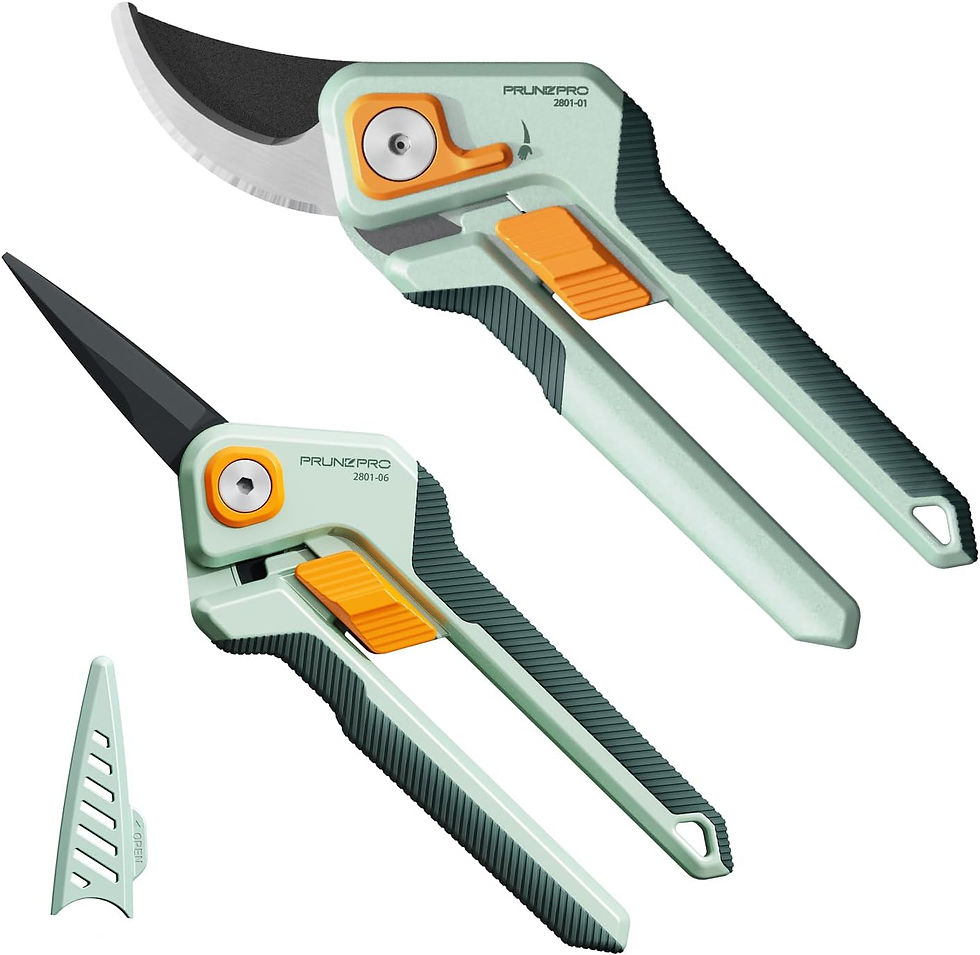
Pruning blueberry bushes encourages healthy growth and better fruit production. Prune in late winter or early spring before new growth starts.
Key pruning tips:
Remove dead, damaged, or weak branches.
Cut out old canes that are more than 6 years old to encourage new shoots.
Thin crowded branches to improve air circulation.
Regular pruning helps maintain the shape and size of the bush and increases sunlight penetration.
When Will You Get Fruit?
Blueberry plants usually start producing fruit in their third year after planting. The yield increases as the plants mature, reaching full production around 6 to 8 years.
Expect about 5 to 10 pounds of berries per mature bush annually, depending on the variety and growing conditions.

Harvesting Blueberries
Blueberries are ready when they turn completely blue and easily come off the stem with a gentle touch.
For the sweetest flavor:
Wait a few days after the berries turn blue before picking.
Harvest every few days during the season.
Refrigerate fresh berries promptly.
Blueberries also freeze exceptionally well, making them a great fruit to enjoy all year long.

Common Mistakes and Lessons Learned
Many new growers face challenges with blueberries. Here are some common mistakes and how to avoid them:
Ignoring soil pH: Blueberries need acidic soil. Without proper pH, plants struggle to absorb nutrients.
Overwatering or poor drainage: Waterlogged roots cause diseases and poor growth.
Planting in shade: Lack of sunlight reduces fruit yield.
Not planting multiple varieties: Single bushes produce fewer berries.
Skipping pruning: Overgrown bushes produce fewer and smaller berries.
Learning from these mistakes helps you grow healthier plants and enjoy a better harvest.
Delicious Ways to Enjoy Homegrown Blueberries
Fresh blueberries are incredibly versatile.
Use them in:
Pancakes and waffles
Muffins and breads
Smoothies
Fruit salads
Yogurt parfaits
Homemade jam
Pies and cobblers
Oatmeal
Garden-fresh desserts
Their naturally sweet flavor makes them a favorite for both snacks and recipes.

Final Thoughts
Growing blueberries is a rewarding investment that provides years of delicious harvests and beautiful garden color. Whether you plant them in your backyard or grow compact varieties on a sunny patio, success begins with acidic soil, plenty of sunlight, regular watering, and proper pruning.
With just a little care, your blueberry bushes will reward you with baskets of sweet, nutritious fruit each season. If you've been thinking about adding fruit to your garden, blueberries are an excellent place to start—and every handful you harvest is a reminder that the best flavors often come straight from your own backyard.


Comments