The Ultimate Guide to Growing Squash: Planting Tips, Spacing, Fertilizer & Pest Control

Growing squash can be a rewarding experience for gardeners of all levels. Whether you want to harvest zucchini, yellow squash, or winter varieties like butternut, understanding how to plant, space, fertilize, and protect your squash plants from pests is essential for a healthy and productive garden. This guide covers everything you need to know to grow squash successfully, from seed to harvest.

Choosing the Right Squash Variety
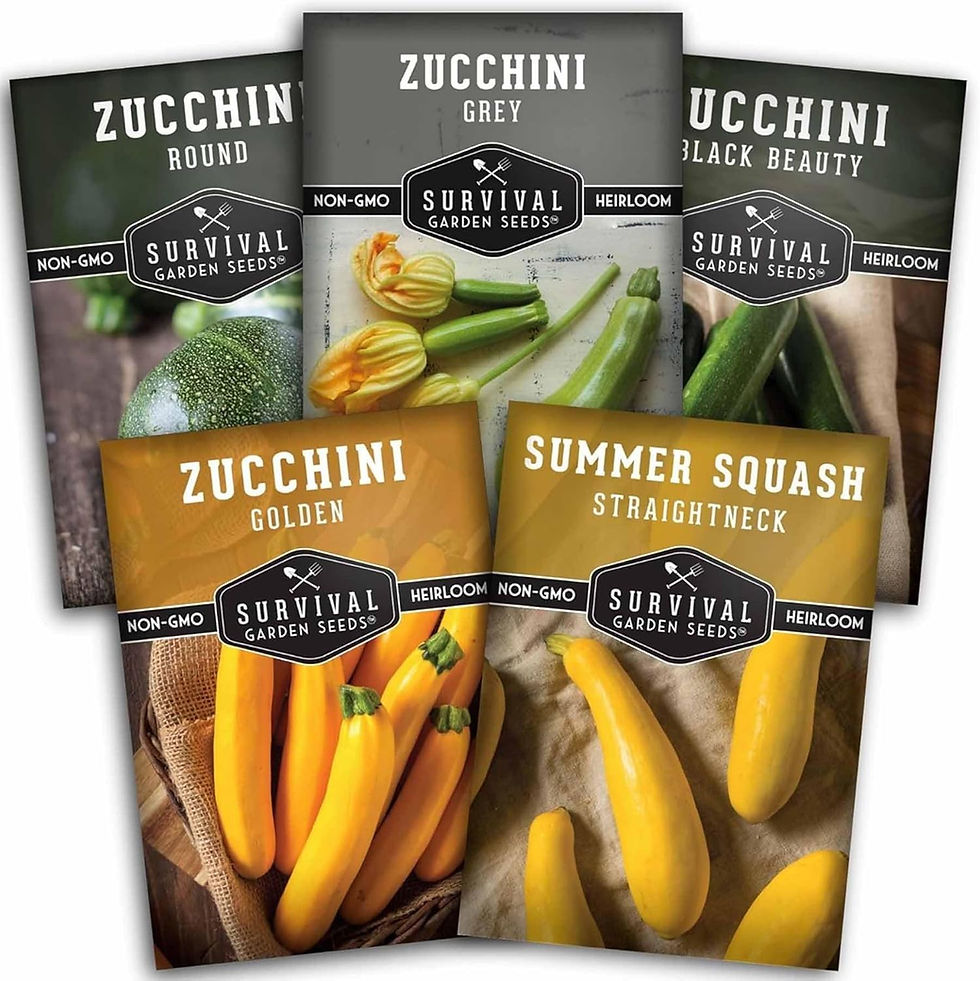
Squash comes in two main types: summer squash and winter squash. Summer squash, like zucchini and yellow squash, have tender skins and are harvested when immature. Winter squash, such as butternut and acorn, have hard rinds and are harvested when fully mature.
Summer squash grows quickly and produces fruit throughout the warm season.
Winter squash requires a longer growing season and stores well after harvest.
Select a variety that suits your climate, garden space, and culinary preferences.
Tip: Read the seeds packets for best times to plant, planting location and type of squash you want to grow.
Preparing the Soil for Squash
Squash plants thrive in well-drained, fertile soil with a pH between 6.0 and 6.8. Before planting:
Clear the area of weeds and debris.
Work in plenty of organic matter like compost or aged manure to improve soil texture and fertility.
Avoid heavy clay soils or areas prone to waterlogging.
Good soil preparation encourages strong root development and healthy plants.

Planting Squash Seeds and Seedlings
Squash seeds can be sown directly into the garden after the last frost date when soil temperatures reach at least 60°F (16°C). You can also start seeds indoors 3-4 weeks before the last frost and transplant seedlings outdoors.
Plant seeds about 1 inch deep.
Sow 2-3 seeds per hill or mound.
Thin to the strongest seedling once they emerge.
Mounding soil helps with drainage and warms the soil faster in spring.
Tip: If starting your seeds indoors, use a growing system that self-waters and has a grow light to help you plants get the best start possible.

Proper Spacing for Squash Plants
Squash plants need ample space to grow because they spread widely. Crowding leads to poor air circulation, increased disease risk, and smaller fruits.
For bush varieties (compact plants), space hills 2 to 3 feet apart.
For vining varieties, space hills 3 to 5 feet apart.
Leave 3 to 6 feet between rows depending on the variety.
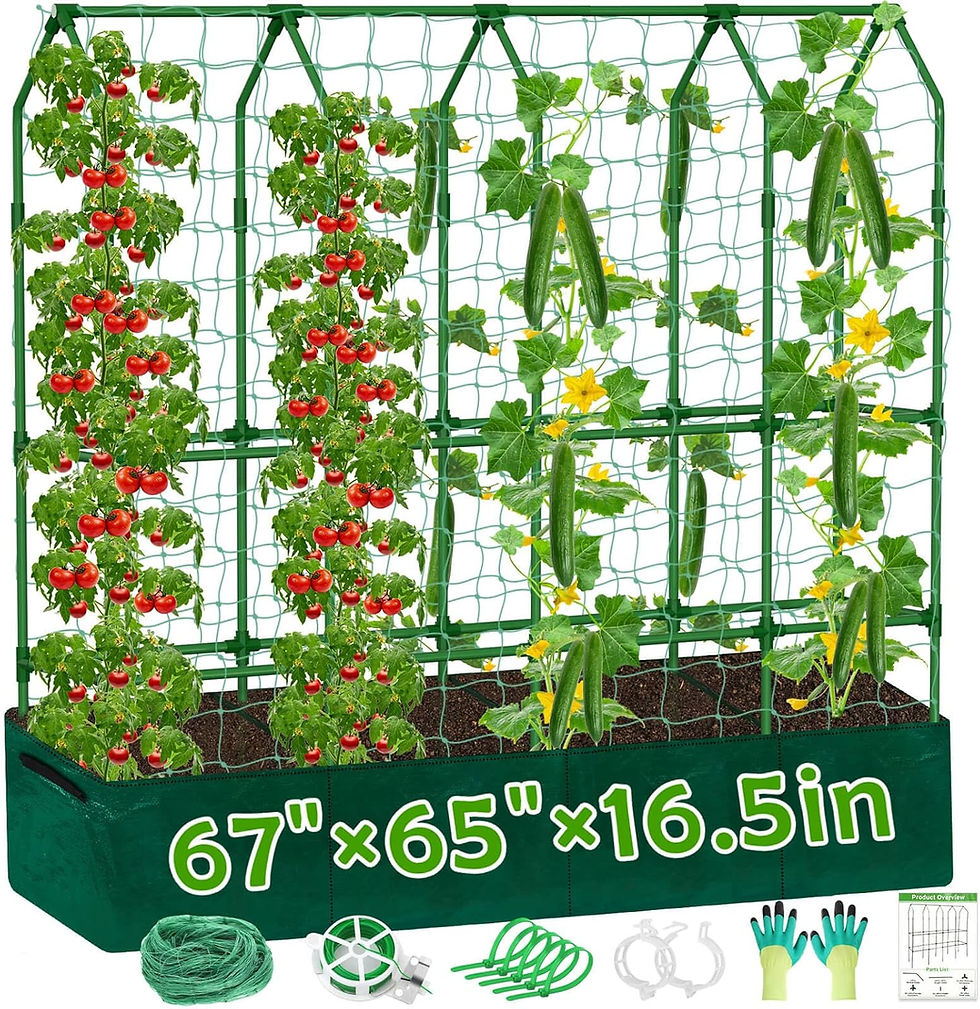
If space is limited, consider vertical growing methods like trellising vining squash to save room.
Tip: If using a vining variety, consider a trellis to help get the squash up off the ground when growing. This will prevent unwanted animals from eating your squash as well as giving you the ability to see your crop better.
Fertilizing Squash for Best Growth
Squash plants are heavy feeders and benefit from regular fertilization.
Before planting, mix a balanced fertilizer (such as 10-10-10) into the soil.
Once plants start growing, side-dress with nitrogen-rich fertilizer to support leaf growth.
When flowers appear, switch to a fertilizer higher in phosphorus and potassium to encourage fruit development.
Organic options like compost tea, fish emulsion, or well-rotted manure also work well.
Tip: My go-to additive is always worm castings. Always keep some on hand and throw on a handful on your squash every week.

Watering Squash Plants
Consistent moisture is critical for squash. Uneven watering can cause fruit to become bitter or develop blossom end rot.
Water deeply once or twice a week, providing about 1 to 2 inches of water.
Avoid overhead watering to reduce fungal diseases; use drip irrigation or water at the base.
Mulch around plants to retain moisture and suppress weeds.
Check soil moisture regularly, especially during hot, dry spells.
Tip: Soaker hoses work great for squash. It provides water at the base without soaking the leaves.

Common Squash Pests and How to Control Them
Squash plants attract several pests that can damage leaves, stems, and fruits. Identifying and managing these pests early helps protect your crop.
Squash Bugs
These bugs suck sap from leaves, causing wilting and yellow spots.
Handpick bugs and eggs off plants.
Use row covers early in the season to prevent infestation.
Apply insecticidal soap or neem oil if populations grow.
Cucumber Beetles
Striped or spotted beetles feed on leaves and spread bacterial wilt.
Use floating row covers to protect young plants.
Trap beetles with yellow sticky traps.
Apply organic insecticides if necessary.
Squash Vine Borers
Larvae bore into stems, causing plants to wilt suddenly.
Look for sawdust-like frass near the base of stems.
Wrap stems with aluminum foil to deter egg-laying.
Remove and destroy infested plants promptly.
Aphids
Small, soft-bodied insects that cluster on new growth.
Spray plants with water to knock aphids off.
Introduce beneficial insects like ladybugs.
Use insecticidal soap for heavy infestations.
Tip: Keep some Trifecta soap on hand and make a plan to use it when you start seeing signs of issues.

Preventing Diseases in Squash
Good cultural practices reduce disease risk:
Space plants properly for airflow.
Water at the base, not overhead.
Rotate crops yearly to avoid soil-borne diseases.
Remove and destroy diseased leaves or plants.
Choose disease-resistant varieties when possible.
Powdery mildew is a common fungal disease that appears as white powder on leaves. Treat early with fungicidal sprays or homemade remedies like a baking soda solution.
Tip: Another product I keep on hand is Diatomaceous Earth. It works great and it also safe for my chickens that peck through my garden.

Harvesting Squash
Harvest squash when fruits reach the desired size:
Summer squash is best picked young, about 6 to 8 inches long.
Winter squash should be harvested when the rind hardens and color deepens.
Use a sharp knife or pruners to cut fruit from the vine, leaving a short stem attached.
Harvest regularly to encourage continued production.
Store winter squash in a cool, dry place for several months.

Tips for Extending Your Squash Growing Season
Start seeds indoors to get a head start.
Use black plastic mulch to warm soil early.
Plant fast-maturing varieties.
Use row covers to protect from early frost.
Succession plant every 2-3 weeks for continuous harvest.

Final Thoughts on Growing Squash Successfully
Growing squash is a rewarding way to enjoy an abundant harvest of fresh, homegrown vegetables. By choosing the right planting location, giving your plants proper spacing, providing balanced fertilizer, watering consistently, and staying ahead of common pests, you'll set your garden up for success throughout the growing season.
Remember that healthy plants are your best defense against insects and diseases. Regularly inspect your squash, remove damaged leaves, encourage beneficial pollinators, and harvest fruits often to keep your plants producing. With a little care and attention, even beginner gardeners can enjoy baskets of delicious summer and winter squash.
Whether you're growing squash for fresh meals, preserving your harvest, or sharing with family and friends, every season offers an opportunity to learn and improve your gardening skills. Happy gardening, and may your squash plants reward you with a plentiful harvest!
Tip: Keeping a garden journal is an absolute must for every gardener. Noting what works well, what grows well in different locations, what and when you planted in different areas will help you with the next years garden!


Comments